Discover Valençay cheese, the Napoleon-inspired French pyramid cheese with a dramatic backstory. Learn how this Loire Valley goat cheese gets its iconic shape and velvety ash rind. Explore its tangy flavor, health benefits, and perfect wine pairings. Uncover the cultural significance of this AOC-protected delicacy. Ready to taste history? Dive into the world of Valençay!
Estimated reading time: 10 minutes
Key Takeaways
- Valençay is a French goat cheese with a unique truncated pyramid shape
- Legend claims Napoleon altered its shape to erase memories of his Egyptian defeat
- Protected by AOC status since 1998
- Features a distinctive ash-coated rind and tangy flavor profile
- Pairs perfectly with Sancerre or Sauvignon Blanc wines
- Rich in probiotics and easier to digest than cow's milk cheeses
Table of Contents
- 1. Introduction: Meet Valençay Cheese
- 2. The History and Legend of Valençay Cheese
- 3. How Valençay Cheese Is Made
- 4. Taste, Texture, and Pairing Perfection
- 5. Health Benefits of Goat Cheese
- 6. Where to Buy Authentic Valençay
- 7. Chef Secrets for Serving Valençay
- 8. Storing Valençay Cheese
- 9. Dos and Don'ts
- 10. Flavor Profile of Valençay Cheese
- 11. Cultural Significance of Valençay
- 12. Valençay vs. Other Loire Valley Cheeses
- 13. Modern Innovations in Valençay Production
- 14. Why Valençay Belongs on Your Cheese Board
- 15. Conclusion: A Taste of French Heritage
- FAQs About French Cheese
1. Introduction: Meet Valençay Cheese
Valençay cheese isn't just another French goat cheese—it's a truncated pyramid steeped in drama! With its ashy rind and tangy flavor, this Loire Valley cheese has a backstory worthy of a Hollywood film. Legend claims Napoleon himself altered its shape to erase memories of his failed Egyptian campaign. Whether you're a cheese newbie or a connoisseur, Valençay's mix of history, artistry, and bold flavor makes it a must-try.
2. The History and Legend of Valençay Cheese
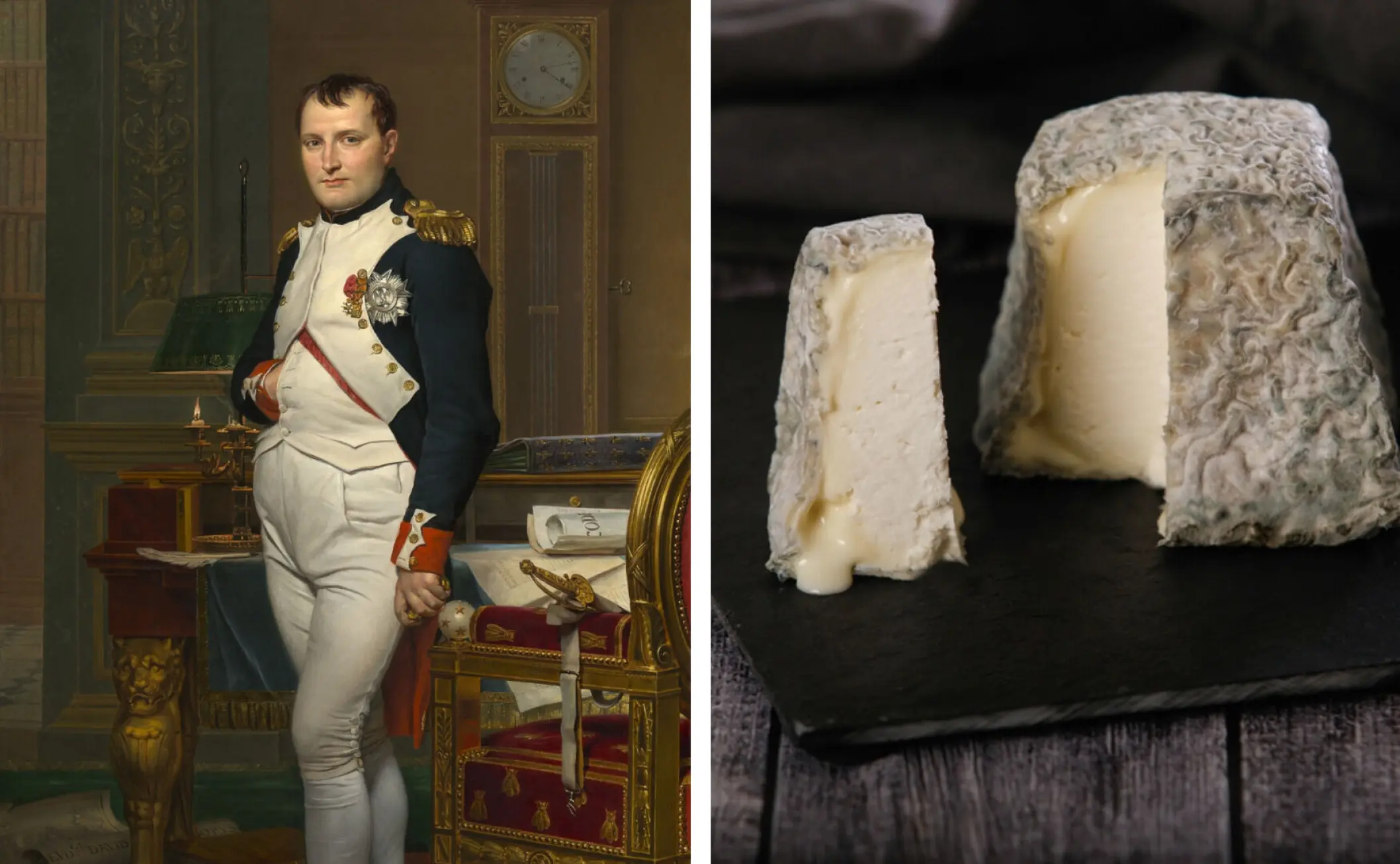
Picture this: Napoleon Bonaparte, fresh from a crushing defeat in Egypt, storms into the Château de Valençay in 1802. His host, the cunning diplomat Talleyrand, notices the cheese platter features perfect pyramids—a painful reminder of Napoleon's loss. To spare the emperor's pride, Talleyrand allegedly chopped off the cheese's tip before serving (Source: The Connexion).
Another version? Napoleon unsheathed his sword and sliced the top off himself in a fit of rage (Source: The Cheese Atlas)! While historians debate the truth, the tale stuck—and so did the cheese's iconic shape.
In 1998, Valençay earned AOC status, protecting its traditional cheese production methods and ties to the Loire Valley. Only cheeses made in this region with raw goat's milk can bear the Valençay name (Source: Culture Cheese Mag).
Fun Fact: During WWII, Valençay production nearly vanished due to wartime shortages. Local farmers secretly preserved the recipe, using hidden caves to age small batches. Their defiance saved this cheesy treasure!
3. How Valençay Cheese Is Made
Crafting Valençay is a mix of tradition and precision:
- Milk Sourcing: Local farmers use milk from Alpine or Saanen goats, grazing on the Loire's mineral-rich soil.
- Molding: The curds are hand-ladled into pyramid molds—a process unchanged for centuries.
- Aging: For 10–30 days, the cheese develops a velvety grey rind thanks to a coating of vegetable ash, which regulates moisture and adds earthy notes (Source: YouTube).
Fun Fact: The ash isn't just for looks—it's a nod to ancient cheesemaking! Early producers used ash to repel insects and slow spoilage. Today, it's a signature touch symbolizing rebirth in French farming culture.
4. Taste, Texture, and Pairing Perfection
Young Valençay (2–3 weeks) is bright and citrusy, with a cloud-soft texture. Aged longer, it turns nutty and crumbly, like a savory fudge.
Pair it like a pro:
- Wines: Sancerre or Sauvignon Blanc (their acidity balances the cheese's richness).
- Accents: Drizzle lavender honey or pair with figs.
- Texture Play: Serve with crusty baguette slices or walnut bread.
Compared to Loire cousins like Crottin de Chavignol, Valençay is milder and creamier—a crowd-pleaser for goat cheese skeptics.
Anecdote Alert: Famed chef Auguste Escoffier once served Valençay drizzled with truffle oil at a Parisian banquet. Guests reportedly demanded the recipe!
5. Health Benefits of Goat Cheese
Valençay isn't just tasty—it's a nutritional powerhouse:
- Gut-Friendly: Packed with probiotics from raw milk aging.
- High in Calcium: One ounce delivers 10% of your daily needs.
- Lower Lactose: Easier to digest than cow's milk cheeses.
Did You Know? Goat milk contains prebiotics called oligosaccharides, which feed good gut bacteria. It's like a probiotic smoothie in cheese form!
6. Where to Buy Authentic Valençay
- In France: Visit Fromagerie Moreau in Valençay or markets in Tours.
- Online: Murray's Cheese (Source: Murray's Cheese) or igourmet.com ship worldwide.
- Look for the AOC label: A guarantee of quality and origin.
Pro Tip: Some farms in the Loire offer "cheese safaris"—tour the pastures, meet the goats, and taste Valençay fresh from the aging room!
7. Chef Secrets for Serving Valençay
- "Let it breathe! Bring Valençay to room temperature to unlock its full aroma," advises Parisian fromager Laurent Dubois.
- Top salads, melt into quiches, or pair with dark chocolate for a daring dessert.
Wild Idea: Crumble Valençay over roasted strawberries with balsamic glaze. Sweet, tangy, and très Français!
8. Storing Valençay Cheese
- Wrap in wax paper and store in the fridge's crisper drawer (4°C/39°F).
- Discard if you spot mold (beyond the natural rind) or a strong ammonia smell.
Revival Hack: If your Valençay dries out, grate it into soups or pasta. Waste not, want not!
9. Dos and Don'ts
✅ Do: Pair with crisp white wines or sparkling Vouvray.
❌ Don't: Freeze it—the texture turns grainy.
✅ Do: Slice vertically to showcase its pyramid shape.
10. Flavor Profile of Valençay Cheese
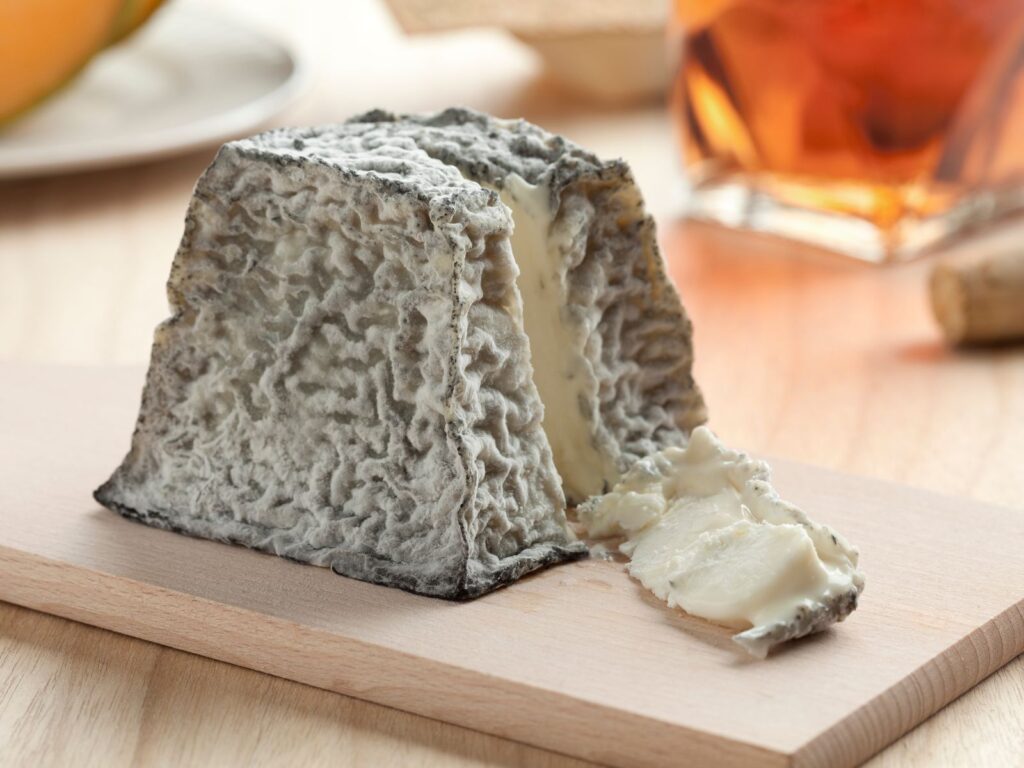 Valençay's flavor is as unique as its pyramid shape! Made from goat's milk, it offers a tangy kick balanced by earthy notes from the ash-coated rind. Young cheeses are creamy and citrusy, while aged versions develop nutty, crumbly textures. Pair it with a crusty baguette or a zesty Sancerre to highlight its complexity.
11. Cultural Significance of Valençay
This Napoleon-inspired cheese isn't just food—it's a cultural icon. The ash coating honors ancient traditions, and its pyramid shape symbolizes resilience. During the French Revolution, Valençay became a secret symbol of defiance, as farmers hid it from tax collectors. Today, it's celebrated at festivals like Fête du Valençay, where cheesemakers demonstrate age-old techniques (Source: La Nouvelle République).
12. Valençay vs. Other Loire Valley Cheeses
While Valençay shines, the Loire Valley boasts other stars like Sainte-Maure de Touraine (a log-shaped goat cheese) and Selles-sur-Cher (dusty-rinded and creamy). Valençay stands out for its pyramid shape and milder flavor, making it perfect for beginners exploring French goat cheeses.
13. Modern Innovations in Valençay Production
In 2023, 15 farms earned organic certification, adopting eco-friendly practices like pesticide-free pastures. Chef Alexandre Couillon even created a seaweed-ash-aged Valençay, pairing it with seafood at his Michelin-starred restaurant.
14. Why Valençay Belongs on Your Cheese Board
From Napoleon's tantrum to its AOC-protected craftsmanship, Valençay is a slice of French history you can taste. Serve it at your next gathering, and watch guests marvel at its story as much as its flavor.
15. Conclusion: A Taste of French Heritage
Valençay cheese is more than a snack—it's a journey through time. From its dramatic Napoleon legend to its ash-coated rind, every bite tells a story of tradition and resilience. Whether you're pairing it with wine, crumbling it over salads, or savoring it solo, this French pyramid cheese offers a unique blend of flavor and history.
The Loire Valley's cheesemakers have preserved Valençay's legacy for centuries, and today's innovations—like organic farming and chef collaborations—ensure it stays relevant. Its mild yet complex profile makes it a gateway to exploring other Loire Valley cheeses, each with their own tales to tell.
Ready to dive deeper? Explore our curated selection of French cheeses at DeliFoodShop. From creamy Brie to bold Roquefort, there's a world of flavor waiting. Grab a Valençay, pour a glass of wine, and let your taste buds travel to France!
FAQs About French Cheese
Q: What makes French cheeses unique?
A: French cheeses often use region-specific methods protected by AOC laws. For example, Valençay must be made in the Loire Valley with raw goat's milk. This ensures quality and tradition (Source: INAO).
Q: How should I store different types of French cheese?
A: Soft cheeses like Brie need wax paper and a cool fridge drawer. Hard cheeses like Comté can be wrapped in parchment. Always bring cheese to room temperature before serving!
Q: Are there vegetarian-friendly French cheeses?
A: Yes! Cheeses like Valençay and Brie often use vegetable-based rennet. Check labels for "microbial enzymes" or ask your cheesemonger.
Q: What's the best way to serve a French cheese board?
A: Mix textures and flavors—include a soft Brie, a sharp Roquefort, and a tangy Valençay. Add nuts, fruits, and crusty bread for balance.
Q: How does AOC certification affect cheese quality?
A: AOC rules dictate ingredients, methods, and origin. For Valençay, this means raw goat's milk, hand-ladled curds, and aging in the Loire Valley.
Q: Can I freeze French cheese?
A: It's not ideal—freezing changes textures. Soft cheeses become grainy, while hard cheeses may crumble. Eat fresh for the best experience!
Q: What wine pairs best with Valençay?
A: A crisp Sauvignon Blanc or Sancerre complements its tangy notes. For red lovers, try a light Pinot Noir (Source: The Cheese Atlas).
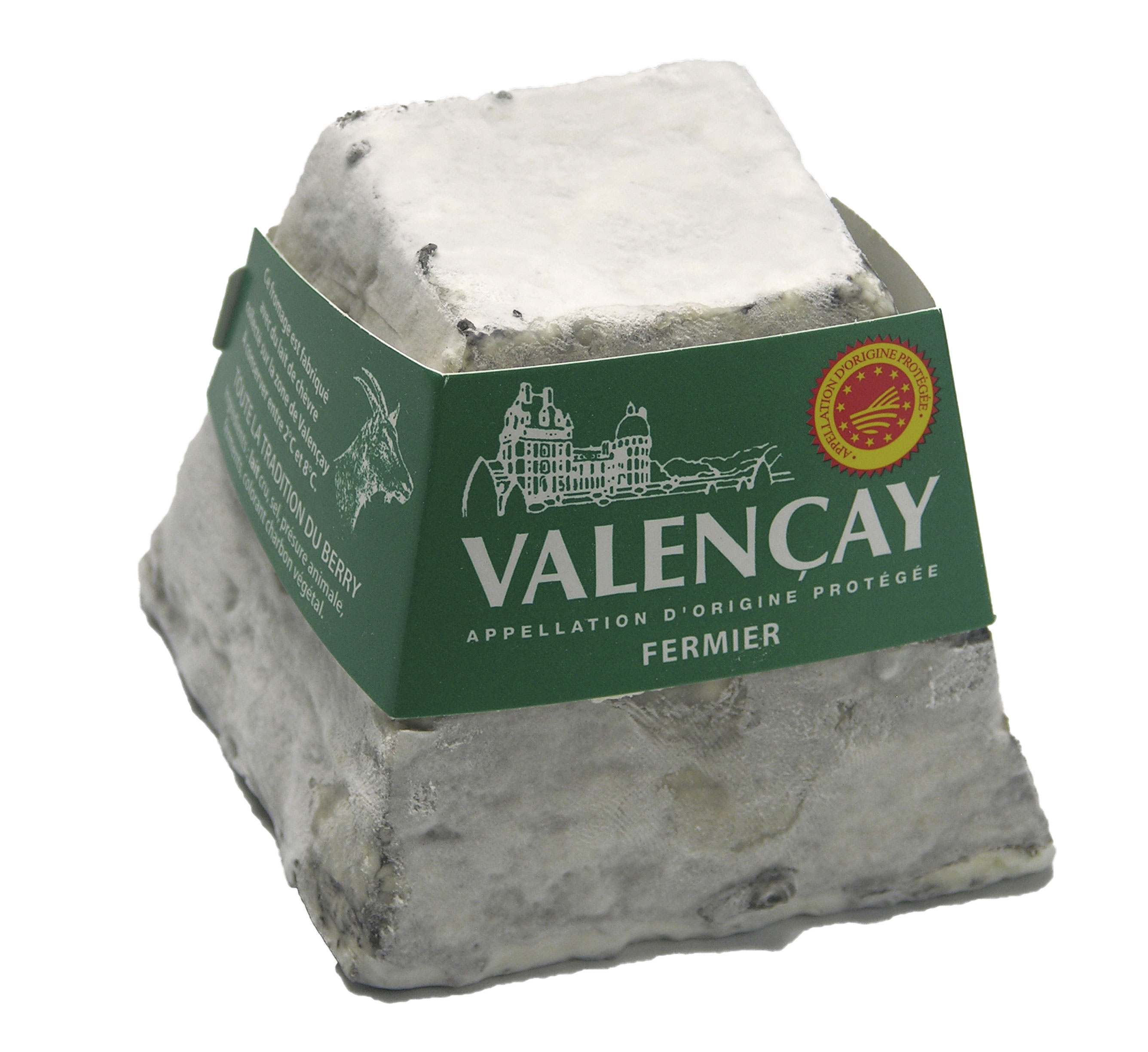
Ready to taste history? Grab a Valençay, pour a glass of wine, and savor France's most legendary pyramid! 🧀✨