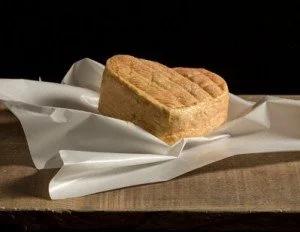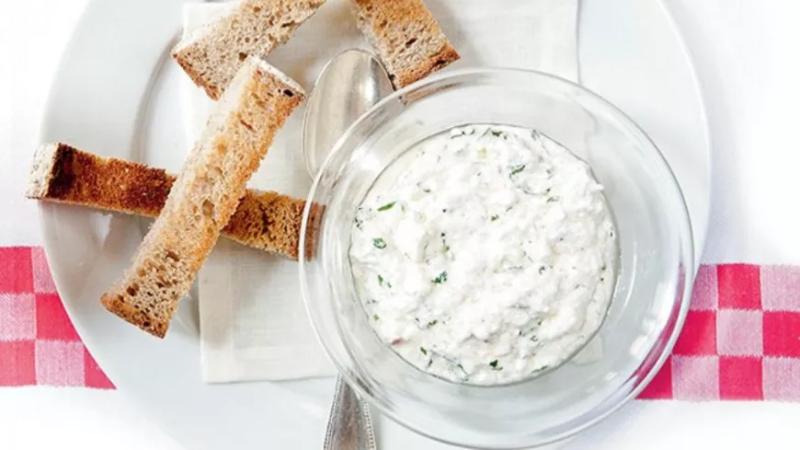
Discover Brocciu, Corsica's legendary fresh cheese with mythical origins and AOC-protected heritage. Learn how this creamy treasure is crafted from sheep's milk whey and infused with wild herbs. Explore its role in Corsican culture, from resistance symbols to gourmet dishes. Find out why Brocciu stands out among French cheese varieties for its delicate flavor and health benefits. Uncover tips for buying, cooking, and savoring this cultural icon.
Estimated reading time: 15 minutes
Key Takeaways
- Brocciu is a fresh Corsican cheese with 2,000 years of history and AOC protection since 1983
- Made from sheep's/goat's milk whey with unique herbal notes from Corsican maquis vegetation
- Lower in lactose and richer in calcium than cow's milk ricotta
- Versatile in both sweet and savory dishes, from cheesecakes to stuffed pastas
- Recent studies link regular Brocciu consumption to Corsican longevity
Table of Contents
- Brocciu's Roots: A Corsican Tradition
- The Art of Brocciu Cheese Production
- Brocciu Among French Cheese Varieties: What Makes It Unique?
- Why Brocciu is a Nutritious Choice
- Buying Authentic Brocciu: A Guide for Cheese Lovers
- Chefs' Take: Brocciu in Gourmet Cuisine
- Mastering Brocciu: Essential Tips for Cooking
- Keeping Brocciu Fresh: Storage and Safety Tips
- Latest News: Brocciu's Role in Corsican Longevity
- Brocciu by the Numbers
- Nutritional Showdown: Brocciu vs. Ricotta
- Conclusion: A Cheese Worth Celebrating
- Frequently Asked Questions About French Cheese
A Journey Through Myth, Tradition, and Flavor

Picture a cheese so beloved it stars in legends, outsmarts ogres, and crowns desserts—meet Brocciu, Corsica's creamy treasure! This fresh cheese isn't just food; it's a cultural icon woven into the island's identity. Made from sheep's or goat's milk whey, Brocciu boasts a delicate texture and mild flavor that shines in everything from cheesecakes to pasta. Let's dive into why this AOC-protected gem stands out among French cheese varieties.
Brocciu's Roots: A Corsican Tradition
Legends and Legacy
Brocciu's story begins with mythical flair. One Corsican tale tells of a clever shepherd who tricked a fearsome ogre named Orcu by offering him a cheese so delicious it distracted him from terrorizing villages. Another legend claims King Solomon gifted the recipe to Corsican shepherds! While these stories sparkle, the real magic lies in its 2,000-year-old production tradition, preserved through generations of Corsican families.
Did you know? In the 18th century, Corsican rebels used Brocciu as a symbol of resistance. They'd hide coded messages inside cheese baskets delivered to allies—proof that Brocciu was literally food for thought during turbulent times! Source: The Connexion
Protected Pride
Since earning AOC status in 1983, Brocciu has been guarded like a national treasure. Only cheeses made in Corsica using traditional methods can bear the name. It's a staple at festivals like Fiera di u Casgiu (Corsica's Cheese Fair) in Venaco, where locals compete for the best Brocciu-based dishes. Celebrations feature Fiadone (a citrusy cheesecake), savory pastries, and even Brocciu-eating contests. As one cheesemaker puts it: "Brocciu isn't just cheese—it's our heritage in a basket."
Cultural Significance
Brocciu is deeply embedded in Corsican culture, often featured in traditional songs and folklore. It's a staple in many Corsican households, used in a variety of dishes from appetizers to desserts. The cheese is also a symbol of Corsican identity and pride, representing the island's rich culinary heritage.
Historical Anecdotes
Throughout history, Brocciu has played a significant role in Corsican life. During times of war and conflict, it was a valuable source of nutrition for soldiers and civilians alike. In the 19th century, Brocciu was even used as a form of currency in some parts of Corsica, highlighting its importance in the local economy.
The Art of Brocciu Cheese Production
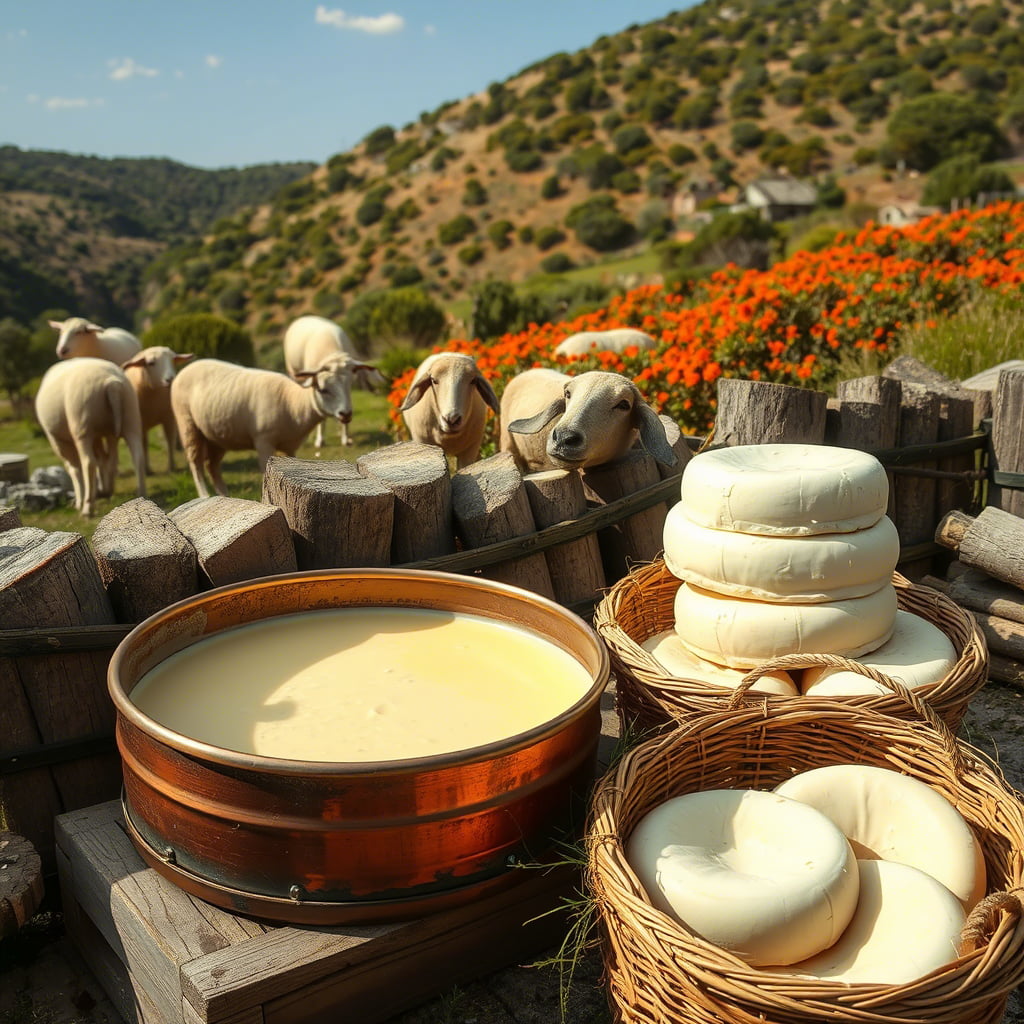 From Whey to Wonder
Crafting Brocciu is a labor of love:
- Whey Base: Leftover whey from sheep's/goat's milk is reheated.
- Milk Magic: Fresh milk is added, then slowly heated to 200°F (93°C).
- Curd Formation: Proteins rise to the surface, forming fluffy curds.
- Basket Drainage: Curds are ladled into rush baskets, creating its signature shape.
Artisanal batches use hand-woven baskets and raw milk, while industrial versions often skip these steps. True Brocciu is best eaten fresh, but aged brocciu passu (ripened 1 month) develops a tangy kick.
Fun fact: Traditional cheesemakers still sing ancient Corsican folk songs while stirring the curds—a ritual believed to infuse the cheese with the island's spirit!
Modern Innovations
While traditional methods are still widely used, modern technology has introduced some innovations in Brocciu production. For example, some cheesemakers now use stainless steel vats for heating the whey and milk, which allows for more precise temperature control. Additionally, some producers have experimented with using different types of milk, such as cow's milk, to create new variations of Brocciu.
Quality Control
To ensure the highest quality, Brocciu producers adhere to strict guidelines set by the AOC. These guidelines cover everything from the type of milk used to the production methods and aging process. Regular inspections are conducted to ensure that all producers are following these guidelines and maintaining the high standards associated with AOC certification.
Brocciu Among French Cheese Varieties: What Makes It Unique?
Ricotta's Corsican Cousin
Though similar to Italian ricotta, Brocciu has less lactose and a richer flavor thanks to Corsica's wild herbs. Unlike aged French cheeses like Brie or Comté, Brocciu skips the aging process, offering a light, spreadable texture perfect for:
- Dolloping on fig jam-topped toast
- Filling crispy cannelloni
- Whipping into airy desserts
But here's the kicker: Brocciu's uniqueness isn't just in taste—it's in its terroir. Corsican sheep graze on aromatic scrubland called maquis, dotted with myrtle and juniper. These herbs subtly infuse the milk, giving Brocciu its earthy, floral undertones.
Culinary Versatility
Brocciu's versatility in the kitchen is one of its most appealing qualities. It can be used in a wide range of dishes, from savory to sweet. In Corsican cuisine, Brocciu is often used in traditional recipes such as Fiadone, a citrusy cheesecake, and Pulenda, a creamy polenta dish. It's also a popular ingredient in modern gourmet cuisine, where chefs use it to add a unique Corsican twist to their dishes.
Health Benefits
In addition to its delicious taste, Brocciu also offers several health benefits. It is lower in lactose than many other cheeses, making it a good option for those with lactose intolerance. It is also rich in calcium and protein, which are essential for maintaining strong bones and muscles. Furthermore, Brocciu contains beneficial bacteria that can support gut health and boost the immune system.
Why Brocciu is a Nutritious Choice
Packed with protein and calcium, Brocciu is a health-conscious pick. Its low lactose content makes it gentler on sensitive stomachs compared to cow's milk cheeses. Nutritionists love it for its versatility in balanced diets—think protein-packed omelets or calcium-rich dips! Recent studies even suggest Brocciu may contribute to Corsicans' renowned longevity, as highlighted in Taste of France Magazine.
Pro tip: Brocciu's high calcium content (30% of your daily dose per 100g!) makes it a favorite among Corsican shepherds, who've relied on it for centuries to stay strong while herding flocks in rugged mountains.
Dietary Considerations
For those with dietary restrictions, Brocciu can be a great option. It is naturally low in lactose, making it suitable for individuals with lactose intolerance. Additionally, Brocciu is a good source of high-quality protein, which is essential for muscle repair and growth. It also contains a variety of vitamins and minerals, including vitamin A, vitamin B12, and phosphorus.
Culinary Uses
Brocciu's mild, creamy flavor makes it a versatile ingredient in the kitchen. It can be used in both sweet and savory dishes, adding a rich, creamy texture and a subtle tang. In Corsican cuisine, Brocciu is often used in traditional recipes such as Fiadone, a citrusy cheesecake, and Pulenda, a creamy polenta dish. It's also a popular ingredient in modern gourmet cuisine, where chefs use it to add a unique Corsican twist to their dishes.
Buying Authentic Brocciu: A Guide for Cheese Lovers
For the real deal, visit Corsican markets like Bastia or Ajaccio between November-June (peak production). Look for the AOC label and rush-basket imprints. Outside Corsica, specialty shops in Paris or online retailers like Fromages.com occasionally stock it—but act fast! Fresh Brocciu lasts just 2–3 days.
Insider secret: Head to the Saturday market in Corte, where cheesemakers from nearby villages compete for the creamiest batch. Rumor has it the winner gets bragging rights for a year—and their cheese sells out in minutes! For those unable to travel, explore options for buying authentic French charcuterie and cheeses online.
Identifying Quality
When buying Brocciu, there are a few key indicators of quality to look for. First, check the label for the AOC certification, which guarantees that the cheese has been produced according to traditional methods in Corsica. Additionally, look for the rush-basket imprints on the cheese, which are a sign of artisanal production. The cheese should have a creamy, slightly tangy aroma and a smooth, slightly grainy texture.
Storage Tips
To keep your Brocciu fresh, store it in the refrigerator in its original packaging or wrapped in wax paper. It's best to consume it within a few days of purchase, as the flavor and texture can deteriorate over time. If you're not planning to use the cheese right away, you can freeze it for up to a month. However, keep in mind that freezing can affect the texture, so it's best to use frozen Brocciu in cooked dishes rather than eating it fresh.
Chefs' Take: Brocciu in Gourmet Cuisine
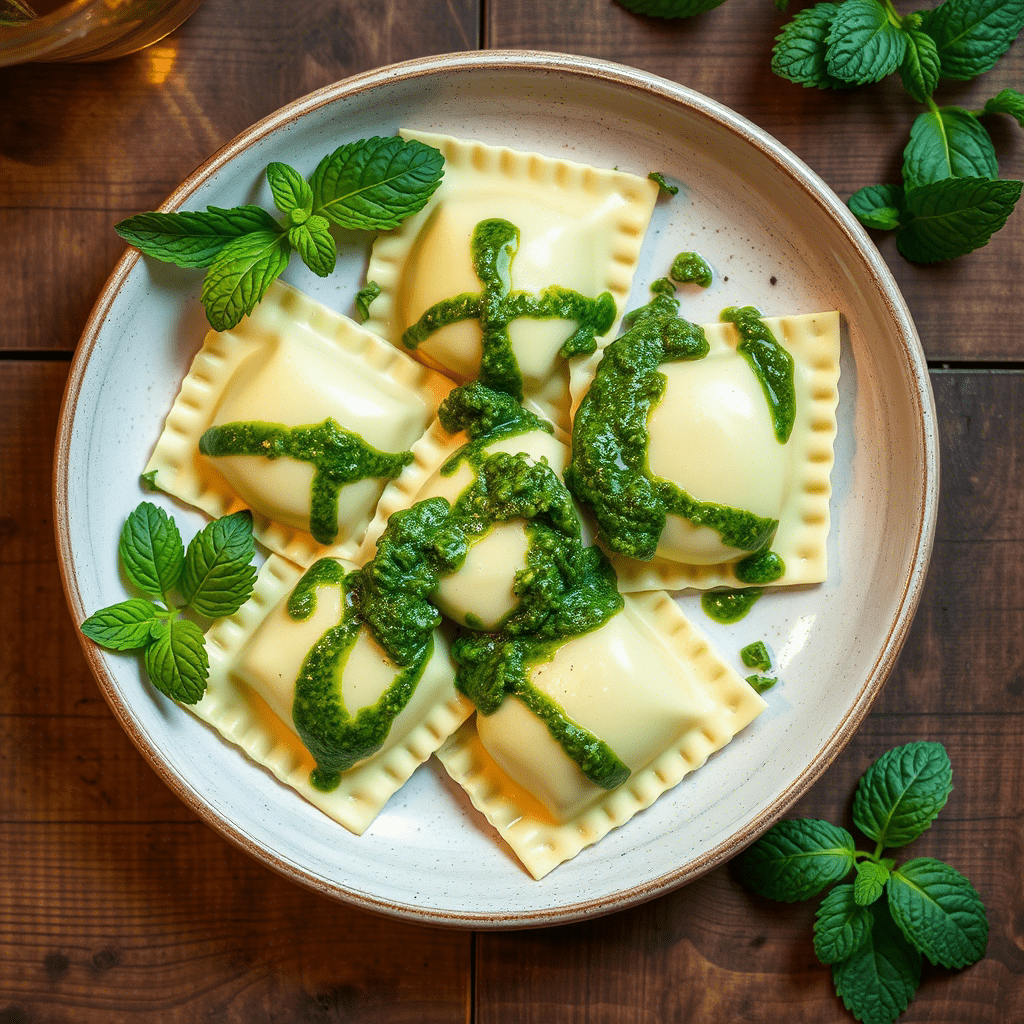 Corsican chefs swear by Brocciu's versatility. Try these ideas:
- Traditional: Fiadone cheesecake with lemon zest.
- Modern: Brocciu-stuffed ravioli with mint pesto.
- Fusion: Brocciu and honey drizzled over grilled peaches.
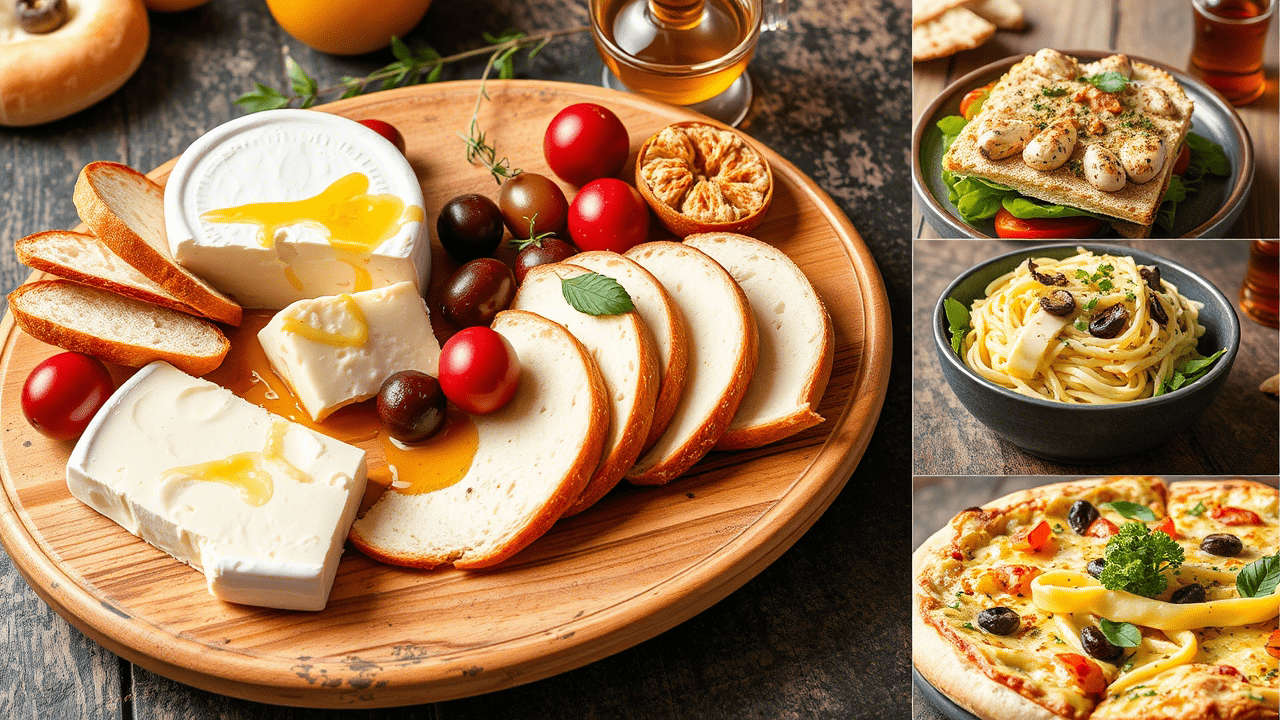
Pair it with Corsican white wines like Vermentino for a zesty contrast, or explore French wine pairings for charcuterie boards for inspiration.
Unexpected twist: In the 1920s, a chef in Ajaccio accidentally dropped Brocciu into a pot of polenta. The result? Pulenda, a now-iconic Corsican dish that's equal parts creamy and comforting! Source: ExperiencePlus
Innovative Recipes
Chefs around the world are discovering the unique qualities of Brocciu and incorporating it into their menus. From Brocciu-stuffed ravioli to Brocciu and honey drizzled over grilled peaches, the possibilities are endless. Some chefs are even experimenting with using Brocciu in unexpected ways, such as in cocktails or as a topping for pizza.
Wine Pairings
When it comes to pairing Brocciu with wine, the options are just as diverse. Corsican white wines like Vermentino are a classic choice, as their crisp, citrusy flavors complement the creamy, tangy notes of the cheese. For a more adventurous pairing, try a bold red wine like a Corsican Nielluccio, which can stand up to the rich, complex flavors of aged Brocciu.
Mastering Brocciu: Essential Tips for Cooking
- Do: Use it fresh in salads or cold dishes.
- Don't: Overheat—it'll turn grainy. Gently bake or fold into warm pastas.
- Pair: Serve with figs, chestnut honey, or charcuterie.
For creative recipe ideas, try the Swiss Chard and Corsican Brocciu Tart—a savory showcase of the cheese's adaptability.
Breakfast hack: Corsican grandmas crumble leftover Brocciu into morning coffee for a protein boost. Sounds wild, but the mild cheese melts into a velvety swirl—try it with a dash of cinnamon!
Cooking Techniques
When cooking with Brocciu, it's important to handle it gently to preserve its delicate texture and flavor. Avoid overheating, as this can cause the cheese to become grainy. Instead, gently fold it into warm dishes or use it as a topping for cold dishes. Brocciu can also be used as a filling for pastries or as a base for creamy sauces.
Serving Suggestions
Brocciu is a versatile cheese that can be enjoyed in a variety of ways. For a simple and delicious appetizer, serve it with fresh bread, olives, and a drizzle of honey. It can also be used as a topping for salads or as a filling for sandwiches. For a more indulgent treat, try using Brocciu in a creamy pasta dish or as a topping for pizza.
Keeping Brocciu Fresh: Storage and Safety Tips
Store in the fridge's coldest spot and consume within 48 hours for peak creaminess. Freezing? Not recommended—it alters the texture. If it smells sour or develops mold, bid it farewell.
Corsican wisdom: Locals wrap Brocciu in chestnut leaves instead of plastic. The leaves wick moisture and add a subtle nutty aroma—a trick passed down since the Middle Ages!
Long-Term Storage
While Brocciu is best enjoyed fresh, there are ways to extend its shelf life. One traditional method is to wrap the cheese in chestnut leaves, which help to wick away moisture and add a subtle nutty aroma. This method has been used in Corsica for centuries and is still practiced by many cheesemakers today.
Safety Tips
To ensure the safety and quality of your Brocciu, it's important to follow a few simple guidelines. Always store the cheese in the refrigerator, and consume it within a few days of purchase. If the cheese develops an off smell or mold, it's best to discard it. Additionally, avoid freezing Brocciu, as this can alter its texture and flavor.
Latest News: Brocciu's Role in Corsican Longevity
A groundbreaking May 2025 study published in Taste of France Magazine has spotlighted Brocciu AOP as a key player in Corsica's reputation for exceptional longevity. Researchers found that regular consumption of Brocciu and other Corsican ewe's and goat's milk cheeses correlates with lower rates of cardiovascular disease and higher life expectancy. The study attributes this to Brocciu's unique nutritional profile—rich in calcium, probiotics, and conjugated linoleic acid (CLA), which supports metabolic health. Corsicans, who live an average of 84 years (4 years longer than mainland French citizens), often pair Brocciu with antioxidant-rich foods like figs and chestnut honey, creating a longevity-boosting synergy Source: Taste of France Magazine.
Scientific Research

The study published in Taste of France Magazine is just one of many that have highlighted the health benefits of Brocciu. Researchers have found that the unique combination of nutrients in Brocciu, including calcium, probiotics, and conjugated linoleic acid (CLA), can support metabolic health and reduce the risk of cardiovascular disease. Additionally, the antioxidant-rich foods that Corsicans often pair with Brocciu, such as figs and chestnut honey, can further enhance its health benefits.
Cultural Practices
The Corsican diet, which includes a variety of fresh, locally sourced foods, is often cited as a key factor in the island's reputation for longevity. Brocciu is a staple in this diet, and its regular consumption is believed to contribute to the overall health and well-being of the Corsican people. Additionally, the traditional methods used to produce Brocciu, such as grazing sheep on aromatic scrubland, can enhance the nutritional profile of the cheese and further support its health benefits.
Brocciu by the Numbers
| Category | Statistic |
|---|---|
| Annual Production | 1,200 tons |
| AOC Certification Year | 1983 |
| Lactose Content | 2.1% (vs. 4.7% in cow's milk ricotta) |
Production Statistics
Brocciu production is a significant part of Corsica's economy, with an annual production of around 1,200 tons. The cheese is produced by a variety of artisanal and industrial producers, all of whom adhere to the strict guidelines set by the AOC. The production process is labor-intensive and requires a high level of skill and expertise, making Brocciu a valuable and sought-after product.
Consumption Trends
Brocciu is a popular cheese both in Corsica and beyond. It is enjoyed by cheese lovers around the world, who appreciate its unique flavor and versatility. In recent years, there has been a growing interest in artisanal and traditional cheeses, and Brocciu has benefited from this trend. As more people discover the unique qualities of Brocciu, its popularity is likely to continue to grow.
Nutritional Showdown: Brocciu vs. Ricotta
| Nutrient (per 100g) | Brocciu | Cow's Milk Ricotta |
|---|---|---|
| Calories | 174 | 216 |
| Protein | 11g | 9g |
| Calcium | 300mg (30% DV) | 240mg (24% DV) |
Nutritional Benefits
Brocciu is not only delicious but also packed with nutrients. It is a good source of high-quality protein, which is essential for muscle repair and growth. It is also rich in calcium, which is important for maintaining strong bones and teeth. Additionally, Brocciu contains a variety of vitamins and minerals, including vitamin A, vitamin B12, and phosphorus.
Comparative Analysis
When compared to other cheeses, Brocciu stands out for its unique nutritional profile. It is lower in lactose than many other cheeses, making it a good option for those with lactose intolerance. It is also lower in calories and fat than many other cheeses, making it a healthier choice for those watching their weight. Additionally, Brocciu contains beneficial bacteria that can support gut health and boost the immune system.
Conclusion: A Cheese Worth Celebrating
Brocciu isn't just a cheese—it's a storybook of Corsican culture, a nutritional powerhouse, and a culinary chameleon. From its mythical origins with ogre-taming shepherds to its modern role in gourmet kitchens, this fresh cheese embodies the spirit of an island where food is heritage. Whether you're spreading it on crusty bread or folding it into a lemon-kissed cheesecake, every bite connects you to centuries of tradition and the wild, herb-scented hills of Corsica.
But why stop at Brocciu? France's cheese landscape is a treasure trove waiting to be explored. Imagine the creamy decadence of Brie de Meaux, the bold punch of Roquefort, or the nutty charm of Comté. Each variety tells its own tale of terroir and craftsmanship, offering flavors as diverse as the regions they hail from.
Ready to embark on your own French cheese adventure? Dive into our curated selection at Delifoodshop's French Cheese Category, where you'll find authentic Brocciu and other artisanal wonders. Whether you're hosting a wine night or simply treating yourself, there's a French cheese with your name on it. After all, life's too short for boring cheese!
Frequently Asked Questions About French Cheese
1. What makes French cheeses different from others?
French cheeses are protected by strict AOC/AOP laws that ensure traditional production methods and regional authenticity. This results in unique flavors tied to specific terroirs.
2. Can I age Brocciu like Brie or Camembert?
No—Brocciu is a fresh cheese meant to be eaten within days. However, aged brocciu passu develops a tangier flavor over 1 month.
3. Which French cheese is best for beginners?
Start with mild, creamy options like Brie or Camembert. Their buttery textures and subtle flavors are crowd-pleasers.
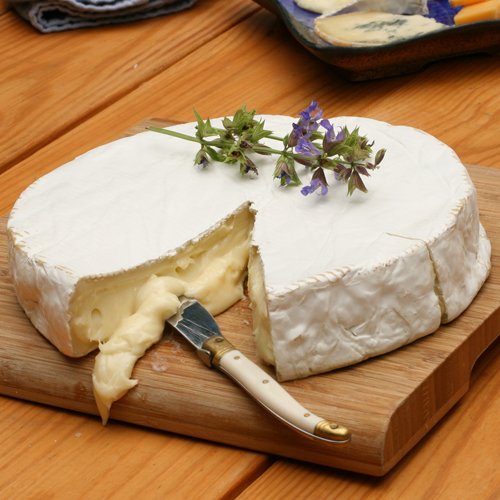
French Brie Cheese - 2 Pound Wheel
Indulge in the rich and creamy texture of our artisan French Brie, perfect for your cheese board or gourmet recipes
Product information
$49.95 $45.99
Product Review Score
4.58 out of 5 stars
163 reviewsProduct links

Canada Brie Cheese Round by Dietz & Watson, 7 oz
Indulge in the creamy richness of this delicious brie, perfect for cheese boards or snacking on its own
Product information
Product Review Score
4.58 out of 5 stars
154 reviewsProduct links
4. How do I pair wine with French cheese?
Match intensity: light cheeses with crisp whites (e.g., Chablis with Goat Cheese), bold blues with sweet wines (e.g., Sauternes with Roquefort).
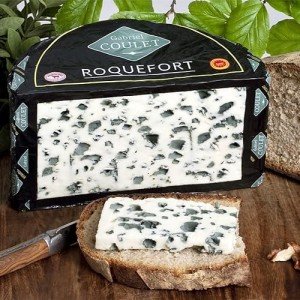
Gourmet Roquefort Cheese - 1 Pound
Indulge in the rich, tangy flavor of this delicious blue cheese perfect for cheese boards, salads, and gourmet recipes
Product information
$44.90
Product Review Score
4.85 out of 5 stars
82 reviewsProduct links
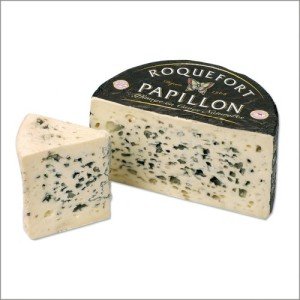
Papillon Roquefort AOP Whole Wheel Cheese (3 lb)
Indulge in the rich, tangy flavor of this authentic French blue cheese that’s perfect for your next cheese board or recipe
Product information
$109.99
Product Review Score
4.56 out of 5 stars
81 reviewsProduct links
5. Are there vegan alternatives to Brocciu?
While traditional Brocciu uses dairy, some brands make vegan ricotta-style cheeses using almond or soy milk.
6. What's the rarest French cheese?
Mimolette Vieille, aged over 18 months, is scarce due to strict production rules. Its pumpkin-like rind and caramel notes make it a collector's item.
Aged Mimolette Cheese from Isigny Ste Mere
Discover the rich, nutty flavors of this delightful aged cheese that adds a gourmet touch to any cheese board
Product information
Product Review Score
4.95 out of 5 stars
229 reviewsProduct links
7. How should I store French cheese?
Wrap it in wax paper or cheese paper and store it in the vegetable drawer of your fridge. Avoid plastic wrap, as it can suffocate the cheese and alter its flavor.
Want to Discover More About Brocciu and French Cheese Varieties?
Here are some high-authority websites to help you explore further:
- Brocciu - Wikipedia: Learn about the history, production, and cultural significance of Brocciu, Corsica's legendary fresh cheese.
- A Beginner's Guide to French Cheese — Toulouse Gourmet Tours: Dive into the world of French cheese, explore the seven cheese families, and learn about key concepts like terroir and AOP.
- Brocciu | WikiCheese | Fandom: Discover more about Brocciu, its production, serving suggestions, and related Corsican cheeses.
- 9 Types of French Cheese: A Guide to the Iconic Varieties of France: Explore the exquisite world of French cheese with this guide to the 9 iconic varieties, perfect for cheese lovers and culinary enthusiasts alike.
- Brocciu Cheese - Leofresh: Learn about the certificate of origin and the culinary export of Brocciu cheese, a Corsican treasure.