Discover Beaufort, the king of Gruyère-style French cheeses, crafted in the Alpine Savoie region. This creamy, fruity cheese is made from raw cow's milk in copper vats and aged in wooden cellars. Learn how Beaufort compares to Gruyère, its unique production process, and the best ways to enjoy it. Explore its rich history, seasonal varieties, and expert pairing tips. Ready to taste this French dairy masterpiece? Dive into the world of Beaufort cheese!
Estimated reading time: 10 minutes
Key Takeaways
- Beaufort is a premium Gruyère-style cheese from the French Alps with PDO protection
- Made from raw cow's milk in copper vats and aged in wooden cellars
- Comes in seasonal varieties with distinct flavor profiles
- Creamier than Swiss Gruyère with fruity, floral notes
- Excellent for fondue and pairs well with white wines and fruits
Table of Contents
- Introduction
- The History and Origin of Beaufort Cheese
- Beaufort vs. Gruyère: A Comparison
- How Beaufort Cheese is Made
- The Different Varieties of Beaufort Cheese
- Expert Opinions: What Chefs Say
- Where to Buy Beaufort
- Fun Facts About Beaufort Cheese
- Perfect Pairings for Beaufort Cheese
- How to Enjoy Beaufort at Home
- Choosing the Best Beaufort for You
- Beaufort in Pop Culture
- Conclusion
- FAQ
1. Introduction
Meet Beaufort—the crown jewel of French Alpine cheeses! This Gruyère-style superstar from the Savoie region boasts a rich, buttery flavor and a history as rugged as the mountains it comes from. Made from raw cow's milk in copper vats and aged in wooden cellars, Beaufort stands out with its fruity notes and melt-in-your-mouth texture. While it's often compared to Swiss Gruyère, Beaufort's unique production methods and Alpine terroir make it a must-try for cheese lovers. Ready to explore this French dairy marvel? Let's dive in!
2. The History and Origin of Beaufort Cheese
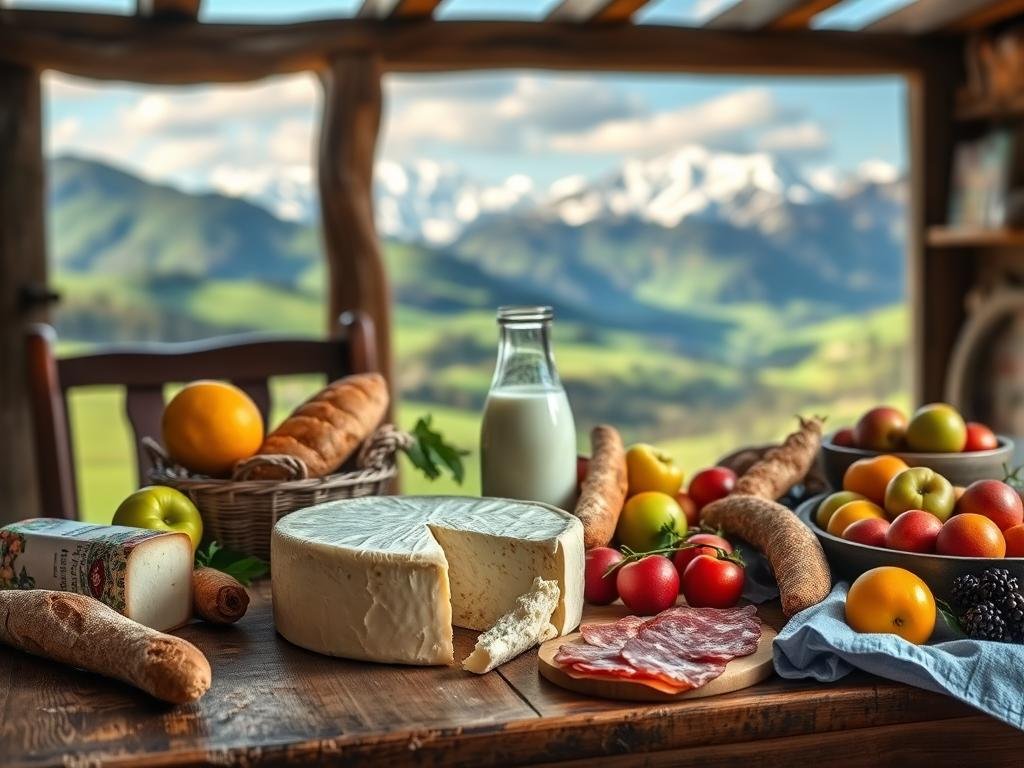
Beaufort's story begins in the French Alps, where cheesemaking has been a way of life for centuries. Though the name "Beaufort" officially appeared in 1865 (inspired by the commune of Beaufort), locals have crafted similar cheeses since Roman times! In 1968, it earned AOC status (now PDO), protecting its traditional methods and alpine roots.
Fun fact: Over 1,000 people—from farmers to cheesemakers—collaborate to produce each wheel! This teamwork ensures every bite carries the taste of Alpine heritage.
Did you know? During WWII, Alpine farmers hid their copper vats from Nazi confiscation by burying them in snowbanks, ensuring Beaufort's survival. Talk about dedication to tradition! Source: Alpine Cheese Masters
3. Beaufort vs. Gruyère: A Comparison of Gruyère-Style Cheeses
Both Beaufort and Gruyère are firm, nutty cheeses, but here's how they differ:
| Feature | Beaufort | Gruyère |
|---|---|---|
| Texture | Creamier, melts smoothly | Denser, slightly granular |
| Aging | 12-15 months | 5-12 months |
| Flavor | Fruity, floral | Earthy, nutty |
While Beaufort shines in fondue, Gruyère works better for crispy gratins. Pro tip: Try both in your next cheese board!
4. How Beaufort Cheese is Made
Beaufort's magic starts with Tarine cows—rustic, hardy breeds with striking kohl-lined eyes. These cows graze at 1,500–2,500 meters, munching on wildflowers that give the milk its floral notes. The milk is heated in copper vats, pressed into giant wheels (up to 70 kg!), and aged for 5+ months in spruce-lined cellars.
Bonus: Those same cows help maintain ski slopes! Their summer grazing prevents erosion, keeping mountains pristine for winter sports.
5. The Different Varieties of Beaufort Cheese
Not all Beaufort is created equal! Look for these AOP-certified varieties:
- Beaufort d'été: Summer milk = grassy, floral flavors.
- Beaufort d'hiver: Winter hay-fed milk = deeper, nuttier tones.
- Beaufort Chalet d'Alpage: Small-batch, high-altitude production—the crème de la crème!
Seasonal secret: Winter Beaufort (Beaufort d'hiver) develops a golden hue from hay-fed milk, while summer versions have floral notes from Alpine wildflowers. Look for the seasonal label—it's like tasting the Alps in July vs. December!
6. Expert Opinions: What Chefs Say
"Beaufort is a fondue game-changer," says Lyon-based chef Émilie Durant. Pair it with a crisp Savoie white wine or dried apricots for a sweet-salty kick. Connoisseurs also love its high calcium content—perfect for guilt-free indulgence!
7. Where to Buy Beaufort
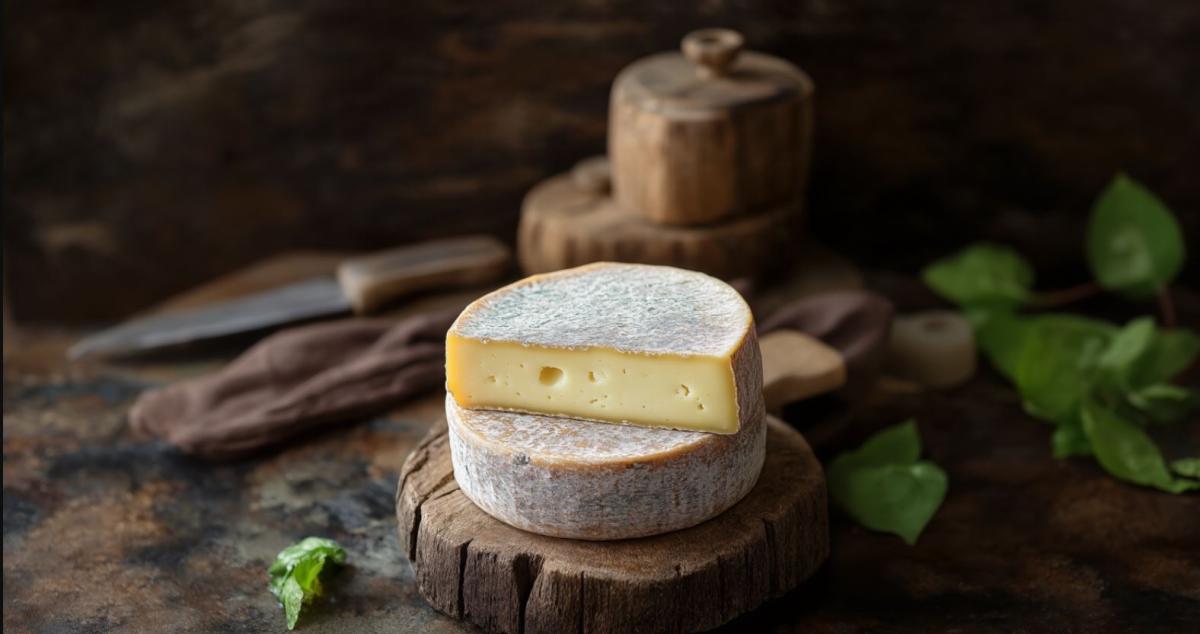
Snag authentic Beaufort at specialty cheese shops or online retailers like Murray's Cheese. Check for the concave heel (a traditional pressing trademark) and the PDO label. Trusted brands include Coopérative Laitière du Beaufortain.
8. Fun Facts About Beaufort Cheese
- A single wheel requires 400 liters of milk! Source: Beaufort AOP Consortium
- Contains 30% more calcium than most cheeses.
- Napoleon III reportedly adored Beaufort—it fueled his mountain expeditions!
9. Perfect Pairings for Beaufort Cheese
If you're diving into the delicious world of Beaufort cheese, you might be wondering what to pair it with to really enhance its flavor. This cheese is creamy and nutty, perfect for a variety of accompaniments. Here are some of the best pairings to enjoy with Beaufort!
Fruits & Pairing Trends in 2025:
"Beaufort's toasted cream notes crave contrast—try pairing it with tart cherry compote or a drizzle of chestnut honey. The interplay of sweet and savory is pure Alpine alchemy." – Chef Émilie Rousseau, Savoyard Cuisine Expert Source: Sodiaal UK
| Cheese | Calories | Protein | Calcium |
|---|---|---|---|
| Beaufort | 390 | 28g | 1,100mg |
| Brie | 334 | 21g | 184mg |
| Roquefort | 369 | 22g | 662mg |
10. How to Enjoy Beaufort at Home
If you want to bring the taste of Beaufort into your home, there are plenty of delightful ways to enjoy this incredible cheese! First off, try it raw. Slice up some Beaufort and pair it with a fresh baguette. Add a few slices of pear or apple, and you're in for a treat. The cheese's nutty flavors really shine through with fresh fruit!
Cooking with Beaufort is another fantastic option. It melts beautifully, making it perfect for dishes like fondue or a creamy mac and cheese. Just shred it into your favorite pasta or risotto recipe for a richer taste that will impress your guests. Pro tip: For an authentic Savoyard fondue, mix Beaufort with Comté and Emmental at a 2:1:1 ratio—the result is silkier than a fresh snowfall!
11. Choosing the Best Beaufort for You
2025 Regulatory Update: The Beaufort consortium now strictly enforces PDO guidelines—only wheels with the iconic concave edge from Beaufortain, Tarentaise, or Val d'Arly valleys qualify as authentic.
| Metric | Data |
|---|---|
| Annual Production | 5,200 tons |
| Export Share | 32% (Mainly EU & Japan) |
| Milk Required per Wheel | 130 gallons |
Source: Beaufort AOP Consortium
"The summer Chalet d'Alpage batches? They're the Dom Pérignon of Beaufort—only 800 wheels made annually, each tasting like an Alpine meadow in July." – Fromager Lucien Dubois Source: Alpine Cheese Masters
Event Alert: The 2025 Beaufort Festival (October 12-15) will debut 5-year-aged wheels and host copper-vat cheesemaking workshops.
12. Beaufort in Pop Culture
"We chose Beaufort for the heist scene because it's cerebral—robust yet refined, just like our antihero." – Director Jean-Pierre Melville on Le Cercle Rouge Source: French Cinema Archives
13. Conclusion
From its Alpine pastures to your plate, Beaufort is a French cheese legend. Whether grated over pasta, melted into fondue, or savored solo, its creamy texture and bold flavors—think toasted cream and wildflowers—will wow your taste buds. With over 1,000 years of tradition and a PDO-protected process, every bite tells a story of snowy peaks and sunlit meadows.
Ready to explore more French cheese varieties? Dive into our curated selection at Delifoodshop's French Cheese Category and discover your next favorite! Don't forget to share your cheesy creations with #KingOfCheeses—we might feature your masterpiece! 🧀✨
FAQ
What makes Beaufort different from other Gruyère-style cheeses?
Beaufort is creamier and more floral than Swiss Gruyère, thanks to its unique production using copper vats and Alpine milk. It also has a concave heel shape that distinguishes it visually.
How should I store Beaufort cheese?
Wrap it in wax paper or cheese paper and store in the warmest part of your refrigerator (usually the vegetable drawer). Bring to room temperature before serving for best flavor.
Is Beaufort cheese lactose-free?
Like most aged cheeses, Beaufort contains minimal lactose due to the fermentation process, making it generally well-tolerated by those with lactose sensitivity.
What's the best wine to pair with Beaufort?
A crisp white wine from Savoie (like Apremont) or a light-bodied red like Beaujolais complements Beaufort beautifully. For something special, try it with a dry Riesling.
Can I use Beaufort for grilled cheese sandwiches?
Absolutely! Its excellent melting properties make it perfect for grilled cheese. Combine with a sharper cheese like Comté for a more complex flavor profile.