Alright, let's dive into the world of traditional Italian salami. Picture this: you're standing in a bustling Italian market, the aroma of freshly cured meats wafting through the air, and you're on a mission to find the perfect pork cuts for your homemade salami. It's like choosing the right ingredients for a symphony of flavors—every cut plays a crucial role in creating that authentic, mouthwatering experience. So, grab your apron and let's get started!
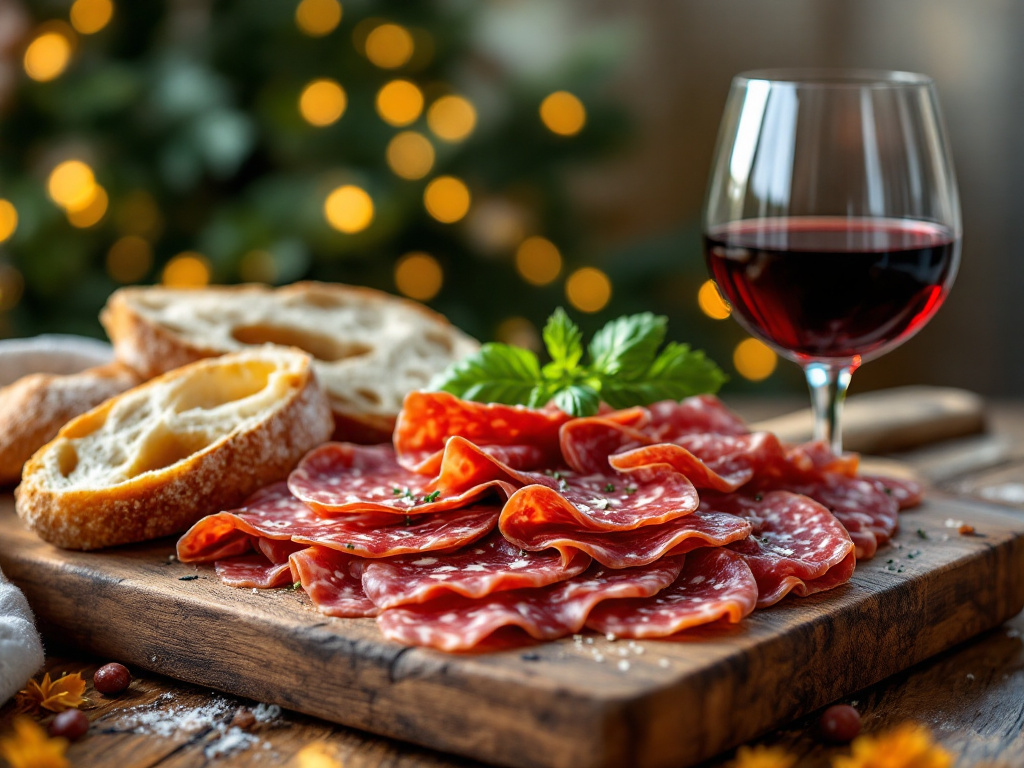 A delicious platter of traditional Italian salami made from the finest pork cuts, including pork shoulder, pork belly, and leg cuts, with a rustic wooden board, a sliced baguette, and a glass of red wine.
Italian salami platter with pork shoulder, pork belly, and leg cuts on a rustic wooden board, accompanied by a sliced baguette and a glass of red wine.
Understanding Pork Quality and Flavor
The Role of Pork Breeds
When it comes to crafting the best pork cuts for traditional Italian salami, the choice of meat is crucial in achieving that authentic flavor and texture. Italian salami is often made using a mix of specific cuts that together create a balance of fat and lean meat. The most popular cuts include the shoulder, belly, and even some parts of the leg. Each of these cuts brings unique qualities to the salami, ensuring that every bite is as delicious as the last.
The breed of the pig plays a significant role in the quality of the pork. Certain breeds, such as the Berkshire or Duroc, are known for their marbling and flavor. These pigs often produce meat that is both tender and flavorful, making them excellent choices for salami. When you choose these specific breeds, you are more likely to end up with a salami that has a juicy and well-rounded taste, which is essential for capturing the authentic essence of this beloved Italian product.
The Impact of Diet on Pork Flavor
Another key aspect to consider is the diet of the pigs. Pigs that are raised on a diet rich in acorns or other natural grains can develop a unique flavor that enhances the salami. This diet not only influences the taste but also affects the fat content of the meat. Healthy fat is critical because it helps to balance the flavors and ensures a moist salami. Thus, knowing where your pork comes from is a vital step in selecting the best pork cuts for traditional Italian salami.
Traditional Curing Methods
Lastly, the method of processing plays an important role in flavor development. Traditional curing methods can enhance the natural taste of the pork, allowing the nuances of the meat to shine through. When making salami, it's essential to use high-quality cuts like shoulder or belly, as these provide the right balance of meat and fat. By understanding these factors, you can select the best pork cuts for traditional Italian salami that will yield a delicious and authentic product.
Pro Insider Secrets:
Did you know that the fat content in pork belly is what gives salami its characteristic juiciness? It's like the secret sauce that keeps every bite moist and flavorful. And here's a little tip from the pros: always look for pork with a good marbling of fat—it's the key to a rich, well-rounded taste.
Related Product Links:
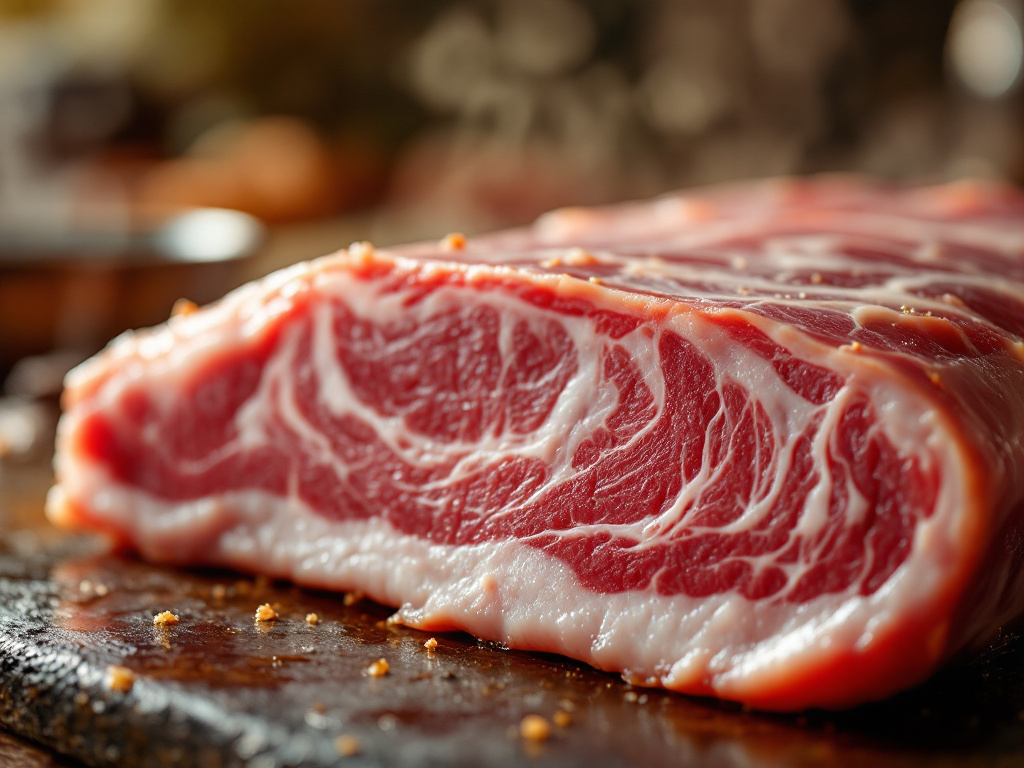 Marbled pork belly close-up, highlighting the rich fat content crucial for traditional Italian salami.
Preparing Cuts for Salami Making
Choosing the Right Cuts
When it comes to making traditional Italian salami, preparing the right cuts of pork is crucial. Choosing the best pork cuts for traditional Italian salami not only affects the flavor but also the texture of the finished product. The best starting point includes a mix of lean and fatty cuts, ensuring that your salami remains tasty and moist.
Start with cuts like the shoulder, also known as the butt, which is rich in flavor and has the right balance of fat. The fatty parts will help bind the other ingredients together, providing that classic salami mouthfeel. Another excellent choice is the pork belly, known for its high-fat content, which further enhances the richness of your salami. Mixing these cuts will give you a rounded flavor profile that is characteristic of traditional Italian salami.
Trimming and Grinding
As you prepare the meat, it's essential to trim any excess sinew, which can create an undesirable texture. Cut your pork into small, manageable pieces, ensuring they are uniform in size so they grind evenly. The best pork cuts for traditional Italian salami should be chilled before grinding, making it easier to achieve the desired consistency without turning the meat into mush.
Mixing in Spices
Once ground, you can start mixing in your spices, salt, and any additional flavoring agents like garlic or wine. It's recommended to mix by hand to maintain the integrity of the meat. This process allows you to get a feel for the mixture and ensures that all the ingredients are evenly distributed. Paying attention to how you prepare your cuts can elevate your salami-making experience and lead to delicious results!
Myth-Busting Corner:
Myth: Lean pork cuts are better for salami because they are healthier.
Reality: While lean cuts are healthier, they lack the fat content needed for a juicy and flavorful salami. The right balance of fat and lean meat is crucial for the best results.
What This Means for You: Don't shy away from fattier cuts like pork belly—they're essential for that authentic salami taste.
Practical Hacks:
Want to know a quick trick to keep your salami moist? Always grind your pork cuts while they're still cold. This helps maintain the fat distribution and prevents the meat from becoming too dry during the curing process.
Related Product Links:
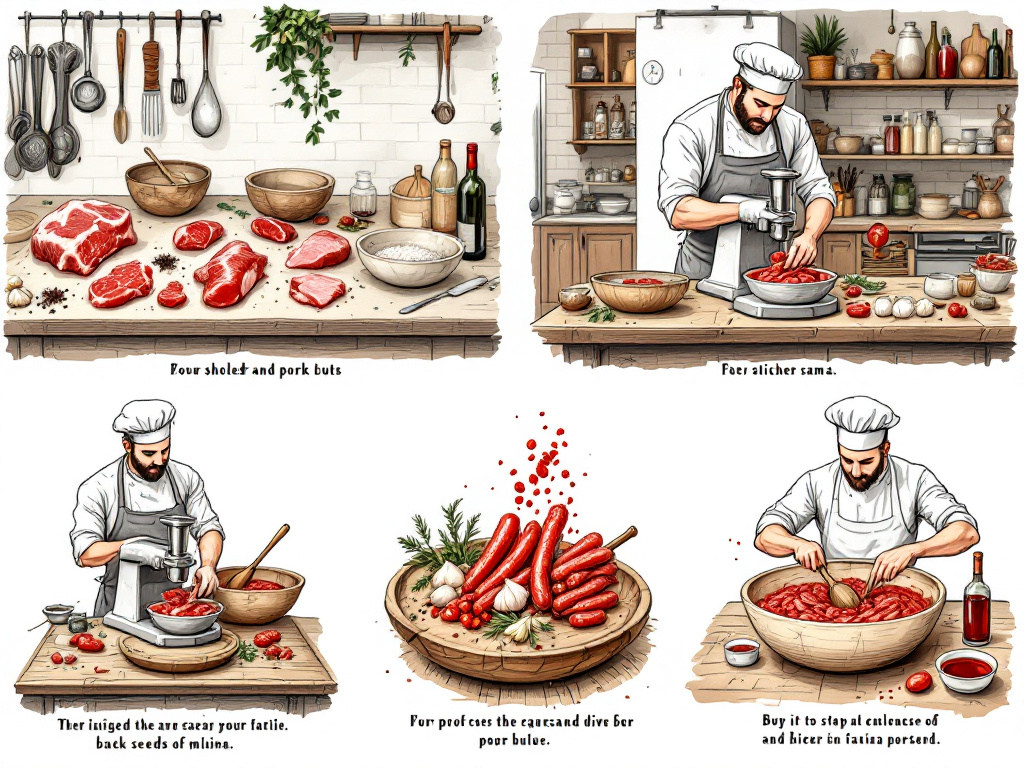 Step-by-step guide to trimming and grinding pork cuts for traditional Italian salami, emphasizing uniform pieces and cold grinding.
Tips for Choosing the Right Pork
Heritage Breeds for Rich Flavor
Choosing the right pork is vital when you're aiming for the best pork cuts for traditional Italian salami. To start, consider the type of pork you want to use. Heritage breeds, such as Berkshire or Tamworth, are often recommended for their rich flavor and excellent fat content. The marbling in these cuts can make a significant difference in the final product, resulting in a salami that is both flavorful and moist.
The Perfect Cuts
Next, think about the cuts themselves. Shoulder cuts, like the Boston butt or picnic shoulder, are favored because they have the right balance of meat and fat. These cuts contribute to the juicy texture and robust flavor that you want in Italian salami. Additionally, combining cuts—such as pork belly for its richness and leaner cuts for structure—can enhance the salami's overall profile.
Freshness Matters
Don't forget about freshness when selecting your pork. Always look for high-quality, fresh cuts and consider purchasing from a local butcher who can provide guidance on sourcing the best pork cuts for traditional Italian salami. Freshness ensures that your salami will have the best possible flavor, which is crucial for this time-honored delicacy.
Seasoning and Curing
Lastly, do some research on seasoning and curing methods that pair well with your chosen pork. Different spices and curing agents can enhance the natural flavors of the pork while adhering to traditional salami recipes. With the right pork and techniques, you'll be well on your way to making delicious traditional Italian salami.
Expert Roundup:
"The key to a great salami is in the balance of fat and lean meat. You need that richness from the pork belly combined with the structure of leaner cuts like the shoulder." – Marco Rossi, Master Salami Maker
Real-World Applications:
Imagine hosting a dinner party where you serve a platter of homemade salami made from the finest pork cuts. Your guests will be impressed not only by the taste but also by the effort and skill that went into creating such a delicacy.
Related Product Links:
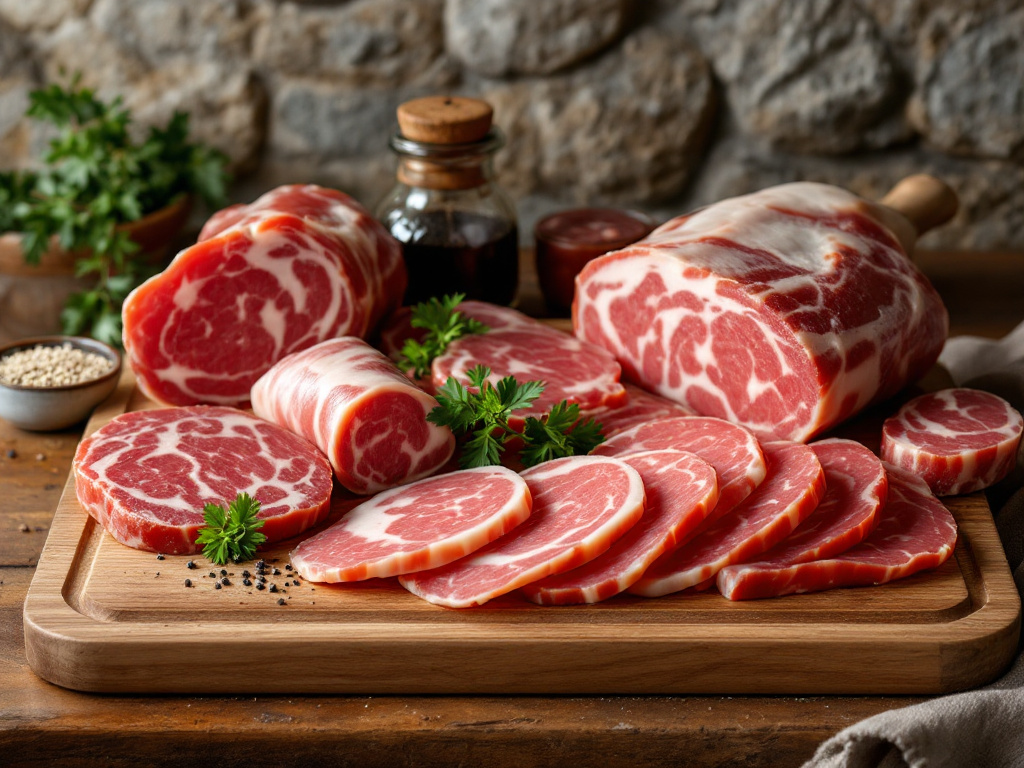 Comparison of different pork cuts, emphasizing freshness and the ideal balance of fat and lean meat for traditional Italian salami.
Behind-the-Scenes Insights
The Art of Salami Making
The art of salami making is a blend of tradition and innovation. Behind the scenes, salami makers carefully select their pork cuts, ensuring that each piece contributes to the final flavor profile. The curing process is a delicate dance of time, temperature, and humidity, all working together to create that perfect bite.
The Role of Aging
Aging plays a crucial role in developing the flavors of the salami. The longer the salami ages, the more complex its flavors become. This process requires patience and precision, as the salami must be monitored closely to ensure it reaches its peak flavor without over-drying.
Future Trends
As consumers become more health-conscious, there's a growing trend towards using leaner pork cuts and natural curing agents. However, the classic balance of fat and lean meat will always be the gold standard for authentic Italian salami.
Related Product Links:
- Beelicious Automatic Vacuum Sealer with Starter Kit
- Anova Culinary Precision Vacuum Sealer Pro Black
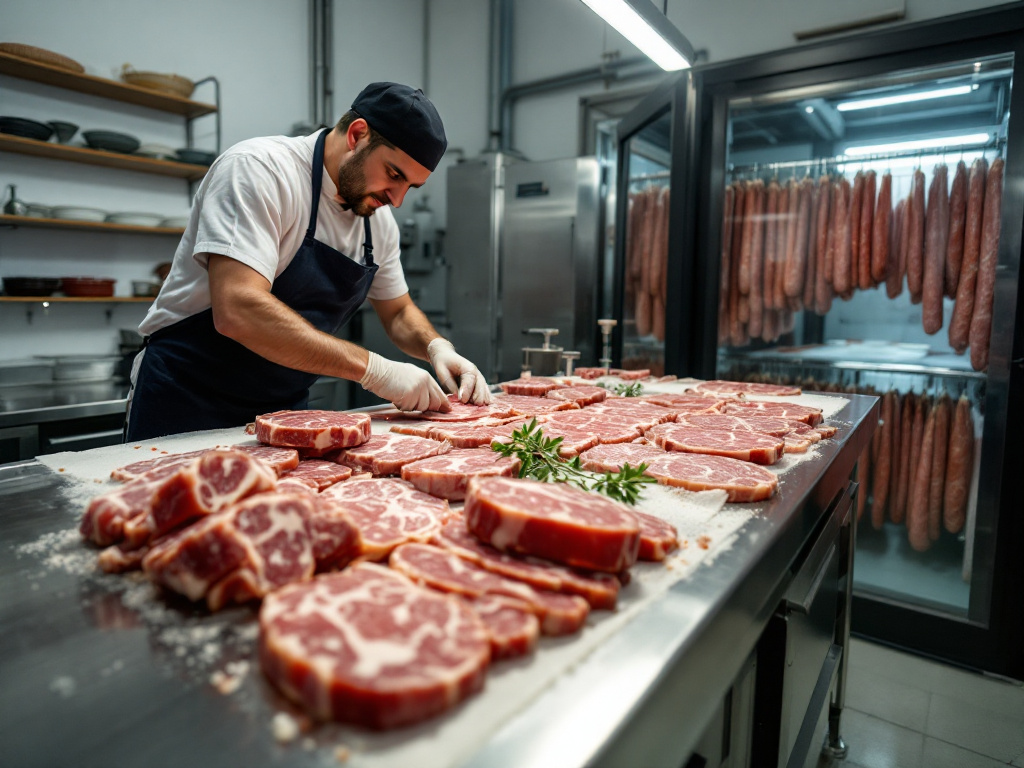 Behind-the-scenes look at the salami-making process, highlighting the careful selection of pork cuts and the delicate art of curing.
Funny Story Time!
Picture this: I'm in my kitchen, surrounded by an array of pork cuts, determined to make the perfect Italian salami. I've got my apron on, my hands are covered in spices, and I'm feeling like a salami-making maestro. Everything is going smoothly until I realize I've forgotten to chill the meat before grinding. Panic sets in as I frantically try to salvage the situation, but it's too late—the meat is already turning into a mushy mess. Lesson learned: always, always chill your pork cuts before grinding!
And then there was the time I decided to experiment with an "extra-spicy" salami recipe. I added what felt like a mountain of chili flakes, thinking, "The spicier, the better!" Fast forward to the tasting session, and my friends and I are all reaching for glasses of milk, our mouths on fire. Note to self: a little spice goes a long way in salami making!
Conclusion
So there you have it—a comprehensive guide to choosing the best pork cuts for traditional Italian salami. From the rich flavors of pork shoulder to the juicy goodness of pork belly, every cut plays a crucial role in creating that authentic taste. Whether you're a seasoned salami maker or just starting out, remember that the key to success lies in the quality of your pork and the care you put into the process.
Now, it's your turn to create your own salami masterpiece. Grab those pork cuts, get your spices ready, and let the salami-making adventure begin!
References
- The Spruce Eats: A comprehensive guide to different pork cuts and their uses in salami making.
- Serious Eats: Insights into the traditional methods of curing and aging salami for the best flavor.
- Food Network: Expert tips on selecting the right pork breeds for rich and flavorful salami.
- Bon Appétit: A deep dive into the art of balancing fat and lean meat in salami for the perfect bite.
- Epicurious: Exploring the role of diet in enhancing the flavor of pork for salami.
Related Product List
- 8 Tray Electric Food Dehydrator with Digital Timer
- Cosori 6 Tray Food Dehydrator for Jerky, More
- Ostba Electric Food Dehydrator with 5 BPA-Free Trays
- Silicone Food Storage Bags Set of 6
- Airtight 16-Cup Food Storage Container Clear Grey
- Precision Pro Vacuum Sealer with 10 Functions
- Beelicious Automatic Vacuum Sealer with Starter Kit
- Anova Culinary Precision Vacuum Sealer Pro Black
- 10-inch Heavy-Duty Manual Meat Slicer
- Stainless Steel Manual Frozen Meat Slicer