Alright, let's dive into the world of prosciutto aging. Imagine trying to explain the intricacies of aging prosciutto to a five-year-old. Now, imagine that five-year-old is a food critic with a PhD in culinary arts. That's the level of detail and finesse we're talking about here. Mastering the aging process of prosciutto is like conducting a symphony—every note, every pause, every crescendo matters. And just like a symphony, the end result is a harmonious blend of flavors that dance on your tongue.
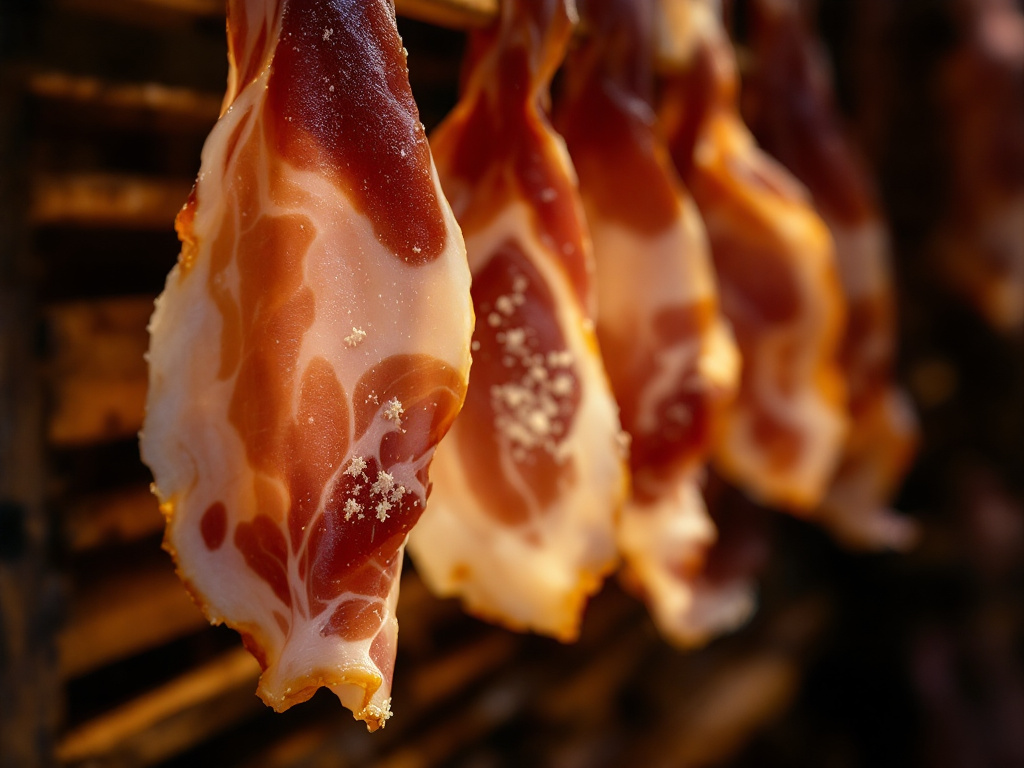
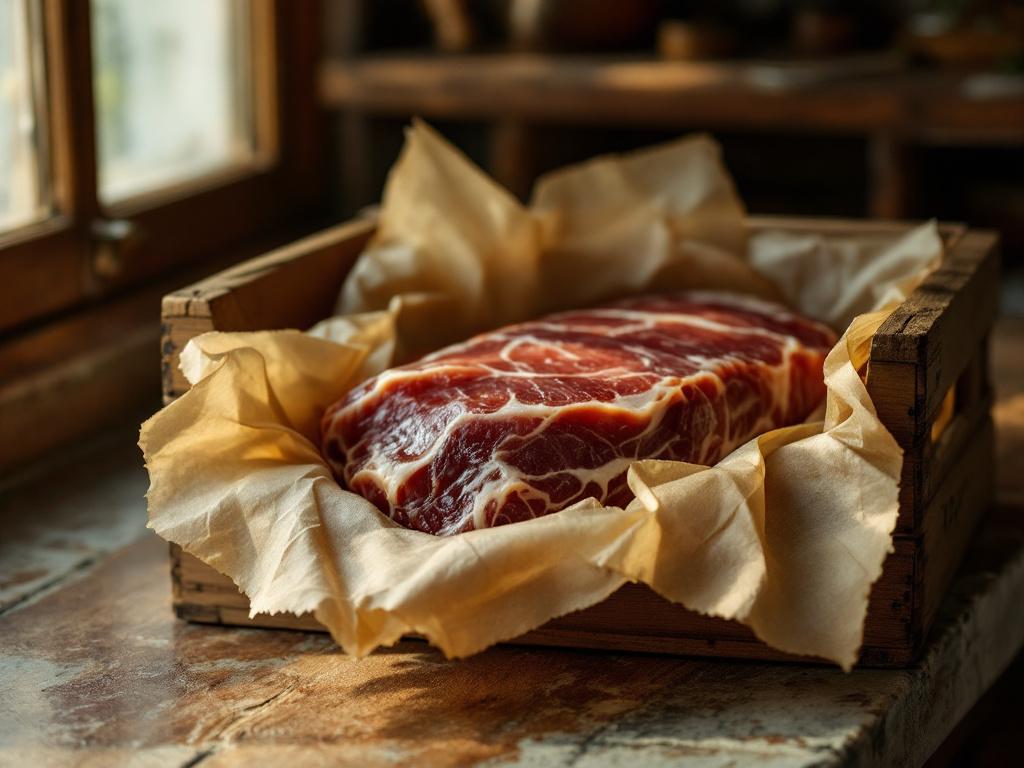
Aging Prosciutto - A close-up of prosciutto hanging in a temperature-controlled room, showcasing the careful process of aging.
The Art of Selecting Quality Ingredients
Pro Insider Secrets
Let's start with the basics: selecting the right ingredients. The pork you choose is the canvas on which you'll paint your masterpiece. Opt for heritage breeds like Berkshire or Duroc; they have the perfect fat-to-muscle ratio that makes prosciutto sing. But here's an insider tip: the salt you use is just as crucial. Natural sea salt, free of additives, is your best friend. It enhances the flavor and aids in preservation. Too little salt, and your prosciutto won't cure properly; too much, and you'll overpower those delicate flavors you've worked so hard to develop.
Related Products:
- OXO Good Grips Chef's Precision Digital Instant Read Thermometer
- 8 Tray Electric Food Dehydrator with Digital Timer
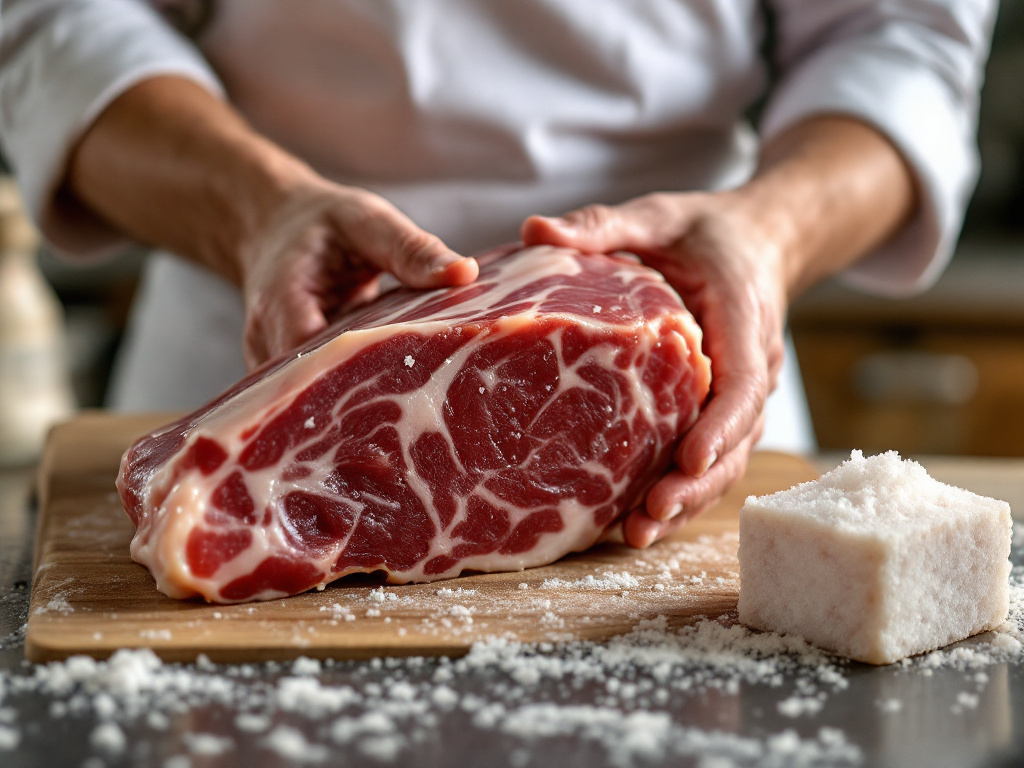 Selecting Quality Ingredients - A chef carefully selecting high-quality pork and natural sea salt for the prosciutto curing process.
Monitoring Temperature and Humidity
Myth-Busting Corner
Now, let's bust a myth: "Prosciutto aging is all about waiting." Wrong! It's about waiting and controlling. Temperature and humidity are the maestros of your prosciutto symphony. Ideal conditions? Between 15°C to 18°C (59°F to 64°F) for temperature and 70% to 80% relative humidity. This range allows the prosciutto to age slowly and evenly, developing those deep, complex flavors that make authentic prosciutto Parma a culinary masterpiece.
Practical Hacks:
- Invest in a reliable thermometer and hygrometer.
- Regularly check and adjust the temperature and humidity levels.
- Ensure consistent conditions to prevent the meat from drying out too quickly or developing unwanted mold.
Related Products:
 Monitoring Temperature and Humidity - A prosciutto producer carefully monitoring the temperature and humidity in the aging room.
The Aging Process: Where the Magic Happens
Expert Roundup
The minimum aging time for authentic prosciutto di Parma is typically around 12 months, but many artisans choose to age their prosciutto for even longer. This extended aging allows the flavors to develop deeply, resulting in a complex taste profile that is both savory and slightly sweet.
Expert Quote: "The key to exceptional prosciutto is patience and precision. Every step, from selecting the pork to the final aging, plays a vital role in perfecting this beloved delicacy." - Marco Bianchi, Prosciutto Maestro
Real-World Applications:
- By sourcing the best ingredients and being mindful of the aging conditions, you set the foundation for creating exceptional prosciutto.
- Investing time and care into these choices will ultimately reward you with a product that's truly outstanding.
Related Products:
 The Aging Process - A detailed look at prosciutto hanging in an aging room, showcasing the careful control of temperature and humidity.
Tasting and Enjoying the Final Product
Behind-the-Scenes Insights
Tasting and enjoying your finished prosciutto is one of the most rewarding parts of the entire aging process. After months of careful preparation and patience, the moment has finally arrived to savor the fruits of your labor. Each slice of prosciutto should exhibit a delicate balance of sweetness and saltiness, with a melt-in-your-mouth texture that speaks to its quality.
Insider Tip: When you are ready to taste your prosciutto, it's essential to slice it thinly. This not only enhances the flavor but also allows you to appreciate the beautiful marbling that develops during the aging process. As you prepare to take your first bite, consider pairing your prosciutto with complementary ingredients. A simple plate with fresh melons, artisanal bread, or a drizzle of aged balsamic vinegar can elevate your tasting experience, allowing you to explore the nuanced flavors of the meat.
Related Products:
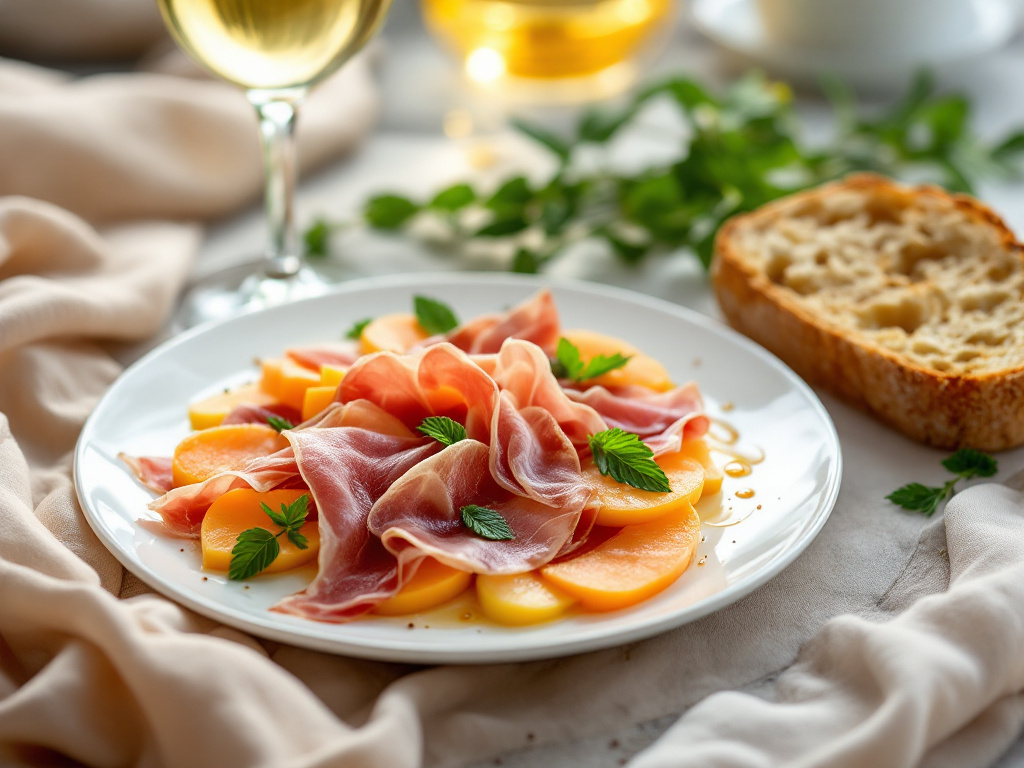 Tasting and Enjoying the Final Product - A beautifully plated prosciutto dish, paired with fresh melons and artisanal bread, ready to be enjoyed.
Culinary Innovations with Prosciutto
Chef's Corner
Let's delve into the creative and innovative ways chefs are using premium prosciutto in their dishes. From traditional Italian to modern fusion, prosciutto can be incorporated into various cuisines and cooking styles.
Innovative Recipes:
- Prosciutto-Wrapped Asparagus: Wrap fresh asparagus spears in thinly sliced prosciutto, drizzle with olive oil, and roast until crispy.
- Prosciutto and Melon Salad: Combine sweet melon balls with thin slices of prosciutto, fresh mint, and a balsamic glaze for a refreshing summer salad.
Fusion Cuisine:
- Prosciutto and Avocado Rolls: Wrap thin slices of prosciutto around ripe avocado slices, drizzle with soy sauce, and garnish with sesame seeds for an Asian-inspired twist.
Plating Techniques:
- Prosciutto Roses: Arrange thin slices of prosciutto in a circular pattern to create beautiful rosettes on your charcuterie board.
Tasting Notes:
- Flavor Profiles: Premium prosciutto offers a range of flavor profiles, from sweet and nutty to savory and slightly smoky.
- Wine Pairing: Pair your prosciutto with a crisp Prosecco or a full-bodied red wine like Chianti to complement its rich flavors.
- Seasonal Ingredients: Highlight seasonal ingredients that pair well with prosciutto, such as fresh figs, ripe peaches, or heirloom tomatoes.
Related Products:
 Culinary Innovations with Prosciutto - A beautifully plated prosciutto dish showcasing culinary innovation and creativity.
Sustainability and Ethical Sourcing
Sustainability Spotlight
Explore the importance of sustainability and ethical sourcing in the prosciutto industry. Premium prosciutto can be sourced responsibly, highlighting the benefits for both the environment and the consumer.
Highlight Eco-Friendly Practices:
- Restaurants and Suppliers: Showcase restaurants and suppliers that prioritize eco-friendly practices in their prosciutto production.
- Ethical Farming: Discuss the importance of ethical farming practices and how they contribute to the quality and taste of premium prosciutto.
Consumer Awareness:
- Educate readers on how to make informed choices when purchasing prosciutto, emphasizing the impact of their decisions on the environment and local communities.
Practical Tips for Restaurateurs:
- Source Locally: Provide tips on how to source prosciutto locally, supporting local farmers and reducing carbon footprint.
- Certifications Matter: Explain the significance of certifications like organic, free-range, and fair-trade in the context of prosciutto.
- Waste Reduction: Offer strategies for reducing waste in the kitchen, including creative ways to use all parts of the prosciutto.
Related Products:
 Sustainability and Ethical Sourcing - An inspiring, eco-conscious image that visually represents the commitment to sustainability and ethical sourcing.
Story Time!
Imagine this: I'm standing in a bustling Italian market, surrounded by the symphony of vendors hawking their wares. The aroma of freshly baked bread and the sight of perfectly cured meats have me in a trance. I spot a stall with prosciutto hanging like a meaty chandelier, and I can't resist. I approach the vendor, a jovial man with a thick Italian accent, and ask for his finest prosciutto.
He looks at me, raises an eyebrow, and says, "Ah, you want the best, eh? Let me tell you, this prosciutto, it's like a fine wine. It needs time, patience, and a lot of love." He proceeds to regale me with tales of his prosciutto's journey, from the carefully selected pork to the meticulous aging process. "You see," he says, gesturing wildly, "the prosciutto, it's not just meat. It's a story, a tradition, a labor of love."
I nod, trying to keep up with his passionate monologue. He hands me a slice, and as I take a bite, I'm transported. The flavors dance on my tongue, and I understand. This isn't just prosciutto; it's a culinary masterpiece. I leave the market that day with a newfound appreciation for the art of prosciutto aging and a belly full of delicious memories.
Conclusion
Mastering the aging process of prosciutto is a journey filled with patience, precision, and a whole lot of love. From selecting the finest ingredients to carefully monitoring the aging environment, every step is crucial in creating a culinary masterpiece. So, grab your thermometer, hygrometer, and a healthy dose of patience, and let's create prosciutto perfection together.
References
- Prosciutto di Parma - The official website of Prosciutto di Parma, providing insights into the traditional aging process and quality standards.
- Serious Eats - A comprehensive guide to understanding the art of charcuterie, including prosciutto aging techniques and flavor profiles.
- Food & Wine - Expert tips and recipes for incorporating prosciutto into various culinary creations, from traditional Italian to modern fusion.
- Epicurious - In-depth articles on the importance of sustainability and ethical sourcing in the prosciutto industry, highlighting eco-friendly practices and consumer awareness.
- Bon Appétit - Innovative recipes and plating techniques featuring prosciutto, along with wine pairing suggestions and seasonal ingredient highlights.